

Robot as a concierge or a doorkeeper, a room operated by a smartphone, a virtual walk around the hotel interiors and help from an electronic assistant in finding information about local attractions are determinants of the already initiated technological transformation in the global hotel industry
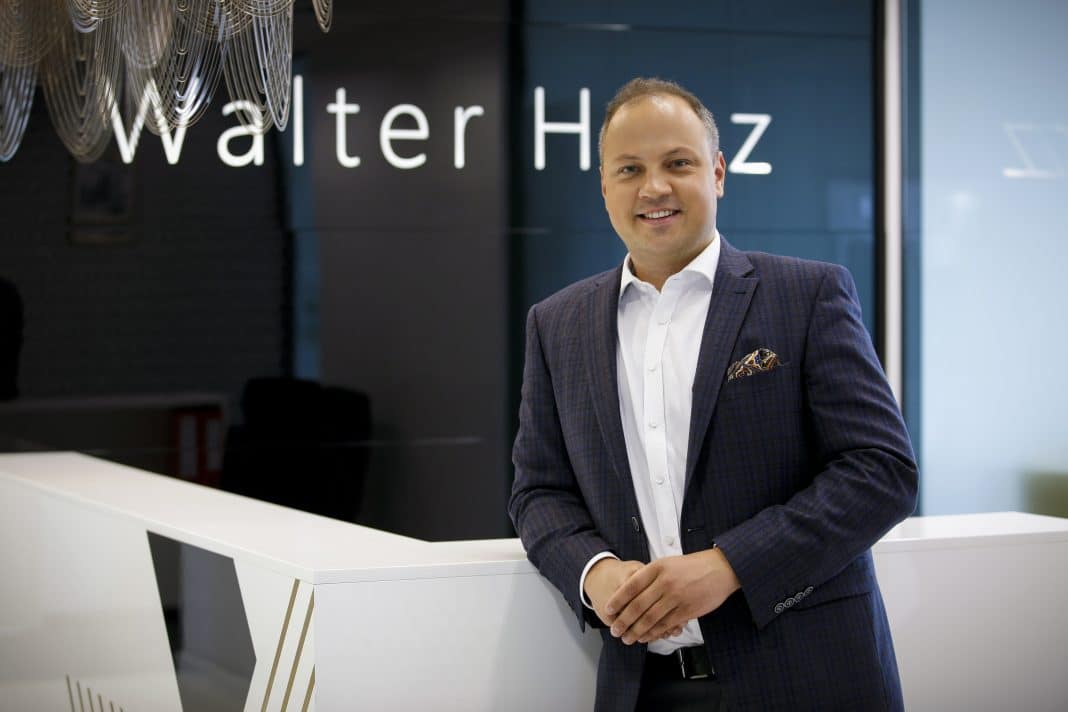
– Nowadays, hotel guests have the opportunity to use more and more advanced technological solutions, which are introduced both in luxury and economy class facilities around the world. The hotel segment takes advantage of the achievements of the digital revolution. The industry implements technical innovations, becoming more actively involved in creating trends in the services market. The process of technological change in the hotel industry is very fast. Some of the introduced innovations may seem quite futuristic and are associated more with science fiction than with generally available standard services – admits Katarzyna Tencza, Associate Director at Walter Herz Hospitality Department.
The leading hotel chains have the largest share in the use of modern technologies in serving guests. – Hotel facilities are increasingly adapting solutions that have been designed for the use of mobile devices and information processing systems. Therefore, they can improve the service and management of their branches – informs Walter Herz expert.
Operate the devices in the room and order room service with your voice
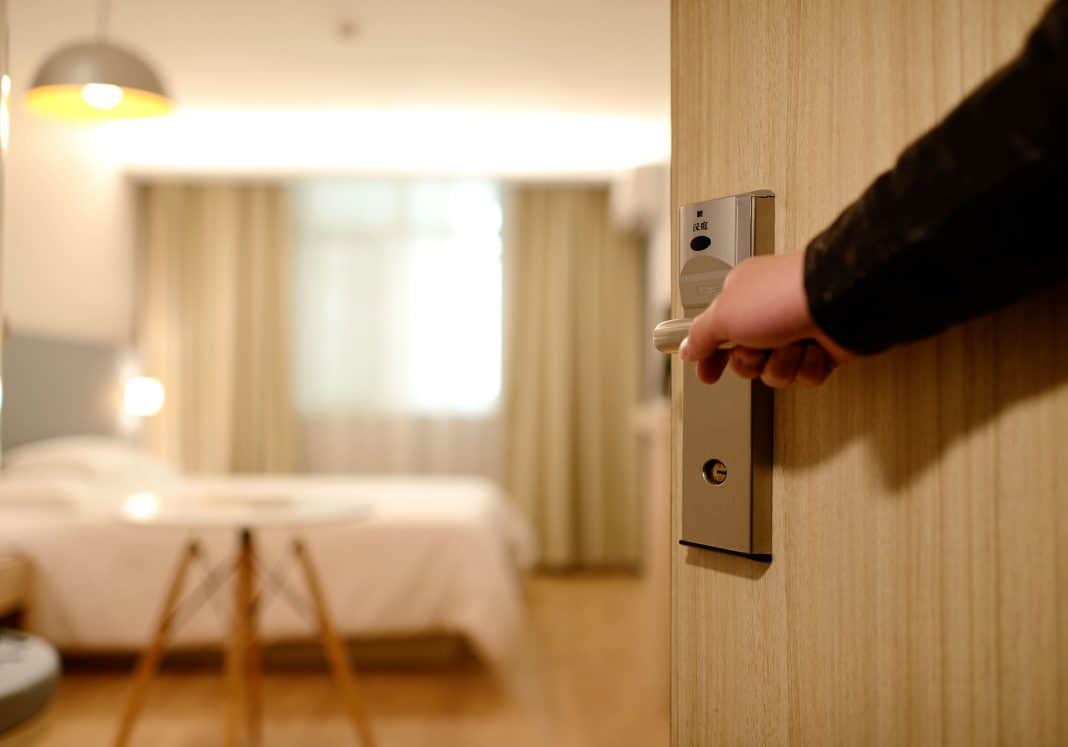
Applications downloaded to the phone are not only used for checking in and out, but also for ordering services, making various reservations, as well as opening the door and controlling devices in the room. Using their own smartphone, guests can change the setting of lights, air conditioning or curtains, as well as TV and other equipment in the room, even before they arrive.
For example, the application used by the Best Western France network, downloaded at the confirmation of the booking, gives guest access to services such as breakfast, spa, business center, mobile newspaper kiosk and transfer. Moreover, it provides weather forecast and local information displayed on the map, also off-line.
Smart Room and Connected Room solutions used by hotels also allow voice control. Using them allows for managing devices in the room and getting practical information, when speaking within in the range of the room.
Virtual assistant will search for information about the nearby attractions
Several of these types of smart rooms are launched, for example, at the Sanlitun Hotel in Beijing, InterContinental Hotel Group in cooperation with Chinese company Baidu. Guests talking to a smart speaker can ask for travel information between the hotel and the airport, order hotel services, and control the temperature, air conditioning or lights. The system is to be installed in 100 apartments in 40 IHG facilities in China.
Marriott International hotel network, thanks to the cooperation with Amazon.com, will also be able to offer a service consisting of placing orders by voice. Marriott hotel guests will be accompanied by a virtual assistant, who will accept an order for a meal, cleaning or ask for room service. In addition, it will help with finding information about the location, play music and control some of the smart devices in the rooms. So far, special Amazon Echo device has been placed in guest rooms to be tested in two hotels.
Room service is currently going far beyond the walls of the room, which is why the Marriott Group has also invested in the PlacePass booking service, which makes it easy for guests to find excursions and local attractions. Whereas, Accor network is testing AccorLocal application, which will enable travelers and local residents, among others, to order flowers, search for a place to store things, book classes with a personal trainer, order a courier or dry cleaning services. This year, the app is to be available all over Europe, and next year all around the world.
Visit a place with virtual reality
The hotel segment also adapts VR solutions. Virtual reality enables a digital visit of potential customers to a hotel or a destination. The technology uses images, sounds and physical sensations to make users feel as if they were physically present, not in the virtual world, but in reality. The system allows to immerse in the digital environment while playing 360-degree movies.
According to Katarzyna Tencza, virtual reality is particularly attractive for the hotel industry, because of the amount of information that an average customer needs before he or she books a room. Thanks to the use of VR solutions, reading descriptions can be replaced with the experience of staying in a given place.
VR allows to virtually recreate the room and other parts of the hotel, and to see the nearby attractions. A good example is Marriott network, which has implemented a pilot VR program allowing its clients to visit exotic destinations.
Augmented reality for more attractive stay
Augmented Reality is also becoming more and more popular in the hotel industry. The technology allows for improvement of the physical environment. Augmented reality introduces digital elements into reality instead of replacing it. It imposes information on the image of the real space. It can be used to add physical graphics of the environment, while it is being viewed by the device. The system changes the appearance of the surroundings and makes the environment more interactive.
Thanks to the augmented reality technology by Holiday Inn during the
London Summer Olympics in 2012, the guests could see realistic virtual images of famous sportspeople and celebrities. Best Western, in turn, experimented with augmented reality, allowing children to see characters from Disney movies.
The Hub Hotel of the Premier Inn chain in the United Kingdom began using AR in coordination with wall maps placed in hotel rooms. By pointing a smartphone to a spot on the map, visitors can get additional information about the interesting local places.
Artificial intelligence in the hotel service team
The industry is also reaching for artificial intelligence to perform tasks related to customer service. Robots are to appear in the hotels as doorkeepers, or humanoids as concierges. One of the hotels in Japan is fully serviced by robots. For hotels, solutions based on artificial intelligence are particularly valuable, because of the ability to perform traditionally human functions at any time. Using them allows to eliminate human errors and brings property owners considerable savings.
Robots with artificial intelligence are already able to cope with the basic situations where the client is present. The best example of this is the AI robot called Connie created by IBM, tested by Hilton at McLean hotel in the state of Virginia, in the US. A robot that uses the technology of cognitive data processing, provides information to clients, and at the same time learns human speech really fast, constantly improves and adapts its skills to meet the individual needs of guests.
A robot-doorkeeper, designed by LG, can bring the luggage and ordered items to guest rooms, deliver them to the waiting car, as well as support express check-in and check-out services. Sheraton Hotel Los Angeles San Gabriel is the first American hotel in which eight TUG robots developed by Aethon test their skills. Whereas, Relay robots by Savioke company work at Luma Hotel Times Square in New York, Singapore Hotel Jen and selected hotels of the Aloft Hotels chain.
Wireless charging of mobile devices
Katarzyna Tencza notes that artificial intelligence is used in the hotel industry also to collect and analyze a large amount of data, which allows to draw important conclusions about customer expectations and service efficiency.
New, practical conveniences are constantly appearing in hotels, which affect the comfort of stay. More and more hotels will be able to wirelessly charge mobile devices, also without the need to dock them in stations. Moreover, traditional ‘do not disturb’ cards will be replaced by infrared sensors in the rooms, informing the staff about the presence of a guest in the room. Whereas, tablets and smartphones will become standard elements of furnishing and equipment of the rooms.
Author: Walter Herz