
EU Trade Deficit With China Hits Record €114 Billion in Third Quarter
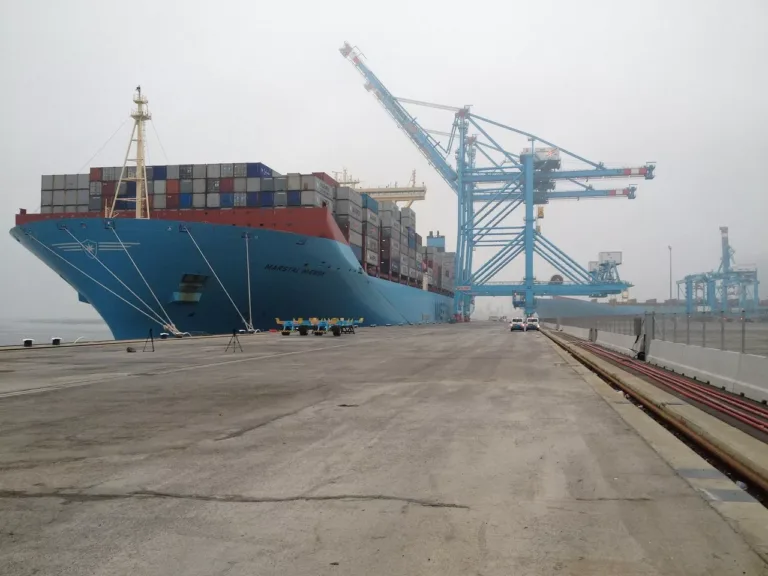
The EU imported €163 billion in goods from China in Q3 2026 and exported around €49 billion, pushing the bilateral goods trade deficit to a record €114 billion.
The EU imported €163 billion in goods from China in Q3 2026 and exported around €49 billion, pushing the bilateral goods trade deficit to a record €114 billion.

Germany’s NIM/GfK consumer climate index is projected to rise 0.7 points to -30.2 in December 2026. Income expectations and willingness to make major purchases remain well below year-earlier levels, despite rising real wages. High energy prices and falling real retail sales underline the weakness in household demand.

The EU imported €730 billion of goods and exported €694 billion in Q3 2026, producing a seasonally adjusted €36 billion deficit. Separate unadjusted figures show the January–September balance deteriorated by €168.7 billion year on year, with higher energy import costs and smaller machinery, vehicle and chemical surpluses weighing on trade.

Polish retail sales increased 3.5% in real terms in October 2026, led by a 14.9% rise in furniture, electronics and household appliances. Growth over January–October slowed to 2.7%, while online sales rose 9.8% in nominal terms in October. mBank economists see no acceleration in consumption and point to imports as a possible explanation for the gap between durable goods sales and domestic production.

EU imports of the glass fibre, resins and chemical inputs covered by a new safeguard investigation rose from 697,000 tonnes in 2019 to 898,000 tonnes in 2025. European producers’ market share fell from 74.1% to 61.8%. Provisional measures could follow within four to five months if the evidence justifies them.

South Korea’s cumulative goods exports passed $1 trillion on 19 November 2026, according to customs data, as AI investment lifted demand for memory chips. Exports excluding semiconductors rose 20% in January–October, while smaller exporters reported $107.6 billion in sales.

The share of EU firms citing tariffs as a major obstacle rose from 12% to 18%, while companies increasingly diversify suppliers instead of stockpiling.

Japan’s merchandise exports rose 20.5% year on year to a record ¥11.77 trillion in October 2026, with semiconductor and electronic component shipments up 49.7%. Yet imports grew 21.6% to ¥12.25 trillion, leaving a ¥476.5 billion trade deficit despite the export surge.

Polish online fashion retailer Answear reported Q3 revenue of PLN 438.7 million, up 11.4% year on year. EBITDA rose 38% and net profit increased to PLN 3.2 million.

US retail and food-service sales rose just 0.2% in October 2026 after a 0.8% gain in September. Auto sales fell 1.6%, while sales excluding autos increased 0.6%.

The EU recorded a €16.8 billion goods trade deficit in September 2026, taking the January–September shortfall to €83.2 billion. Imports rose 17.9% year on year in September, versus 4.7% for exports, as the energy deficit widened and surpluses in machinery, vehicles and chemicals shrank.
The EU exported €1,579 billion of services to non-EU countries in 2024, up 9.7%. Firms with at least 250 employees accounted for 41.7% of sales, while information and communication, industry, and transport and storage together generated €847.5 billion.

David Epstein will take over as Hugo Boss CEO on 1 January 2027, replacing Daniel Grieder after more than five years. The appointment follows Frasers Group’s acquisition of a majority stake and comes after the German fashion company cut its 2026 sales and profit outlook.
Hapag-Lloyd has upgraded its 2026 earnings outlook for the third time, raising its EBIT range to $2 billion–$2.4 billion and EBITDA to $4.6 billion–$5 billion. Favourable spot rates and stronger fourth-quarter operations drove the revision. Its shares rose as much as 6.8%, Reuters reported.

Polish shopping centres increased sales by 4.1% year on year in September 2026 without attracting more visits. Specialist goods led growth at 6%, while the largest centres raised sales by 5.6% despite a 0.6% decline in footfall. PROH’s sample covers about 36% of the market.

Germany’s retail sales fell 2.0% in real terms in September from August and 2.3% from a year earlier, preliminary Destatis data show. Food and non-food sales both declined, while online and mail-order trade remained higher year on year despite a monthly fall.

Ten Polish retail property transactions worth around EUR 485 million closed in Q3 2026, according to Cushman & Wakefield. Nine-month investment volume is almost twice the full-year 2025 total, with investors targeting retail parks and property portfolios.