EU and UK Agree to Link Carbon Markets in 2028, With £6.5 Billion of Exports Set for CBAM Relief

unia-europejska.jpg

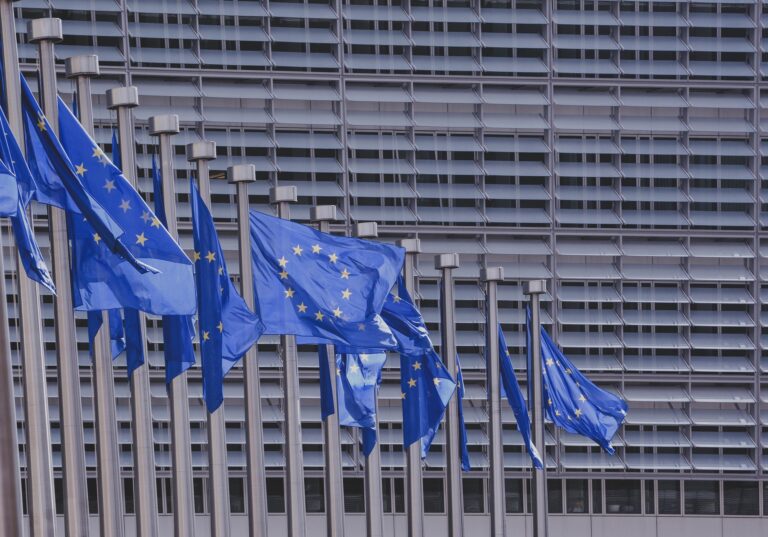
The EU and UK have concluded negotiations to link their emissions trading systems from January 2028 while keeping them legally separate. The planned CBAM exemption covers British exports worth about £6.5 billion. Legislation and registry changes are still required, and the UK Treasury’s estimate of a £3.8 billion annual economic benefit in 2040 remains a forecast.

ORLEN’s IEA Climate Score Rises to 17.5, but Oil and Gas Emissions Show Little Decline

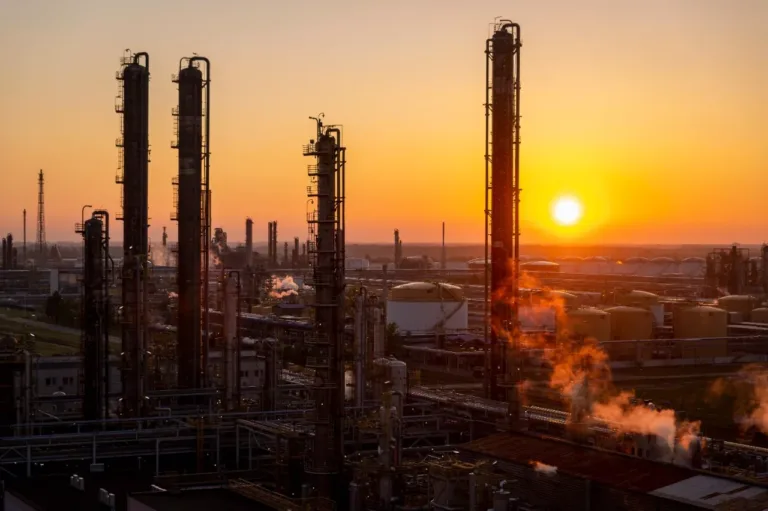
ORLEN industrial complex viewed from the olefins plant

ORLEN recorded the largest improvement among 113 oil and gas companies assessed by the IEA, UNEP and Environmental Defense Fund, raising its score from 8 to 17.5 out of 25. Better strategies and disclosure have yet to translate into a clear sector-wide fall in emissions: methane emissions remain near 80 million tonnes a year, while almost 170 billion cubic metres of gas were flared in 2025.

83% of Firms Plan More Sustainability Spending as Net-Zero Delays Rise

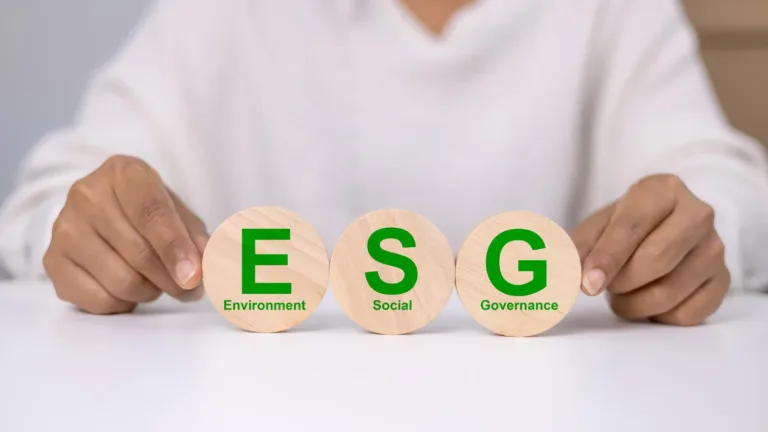
Wooden discs labelled Environment, Social and Governance

Capgemini Research Institute finds that 83% of surveyed organisations plan to increase sustainability investment over the next 12–18 months, while 29% have postponed their net-zero goals, up from 8% in 2025. Access to energy, water and materials increasingly drives decisions. The survey covered 2,100 executives at 701 large organisations in 13 countries and 6,500 consumers.

Polish Firms Report BDO Waste Database Problems as SME Ombudsman Seeks Reforms

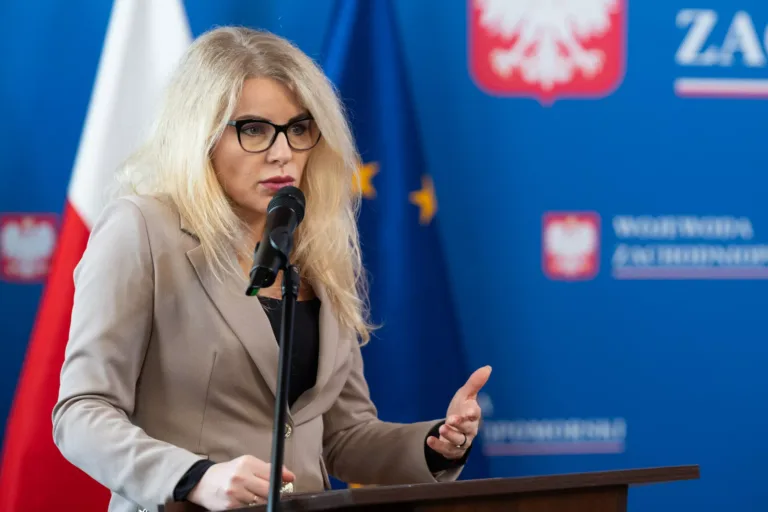
Poland's SME Ombudsman Agnieszka Majewska speaking at a lectern

Polish businesses report repeated data entry, software integration difficulties and inconsistent checks of reports submitted through the BDO waste database. SME Ombudsman Agnieszka Majewska has asked the climate ministry what legislative and organisational improvements it is pursuing or planning, after complaints suggested that funding changes introduced on 1 January 2025 had not delivered tangible benefits for many firms.

Textile EPR Should Support Market Transformation, Not Become a Fiscal Tool

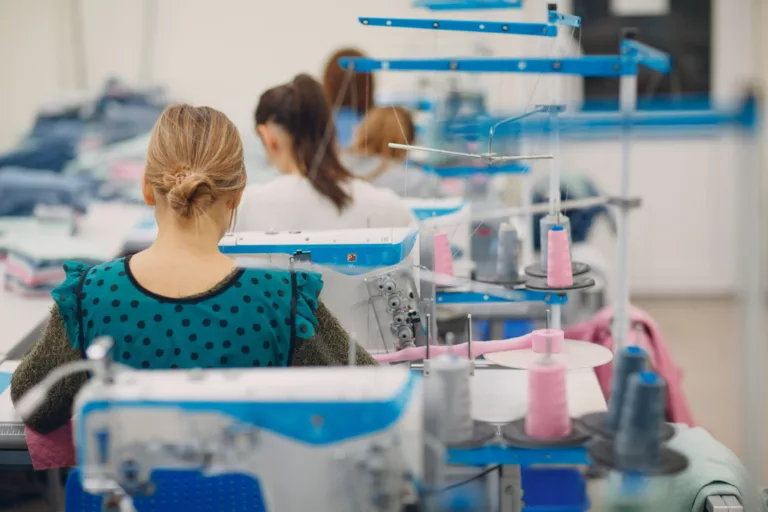
textile industry

The extended producer responsibility system for textiles should become a tool for transforming the market, not another source of fiscal revenue. Its purpose should be to encourage better product design, support reuse, finance collection and sorting infrastructure, and shift costs from municipalities to producers in

The European Blue Deal (Blue Order) is a chance for Poland

parlament-europejski-unia-europejska.jpg

The European Economic and Social Committee (EESC) continues working under the slogan “Call for Blue Deal”. The Blue Deal is intended to be the water equivalent of the Green Deal. The EESC has recognized the need to support actions related to improving access to clean