
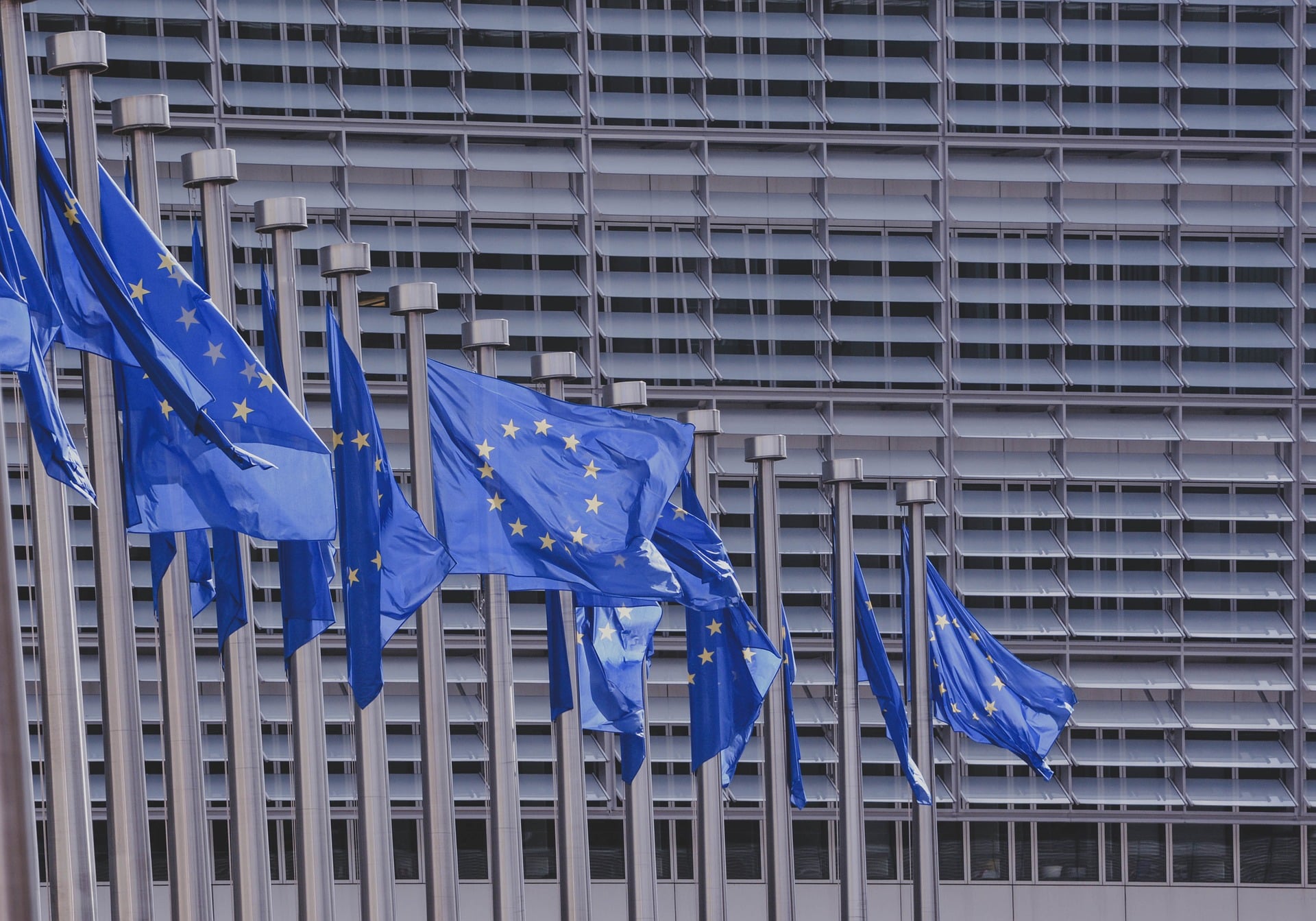
The EU and UK plan to recognise each other’s carbon allowances from 1 January 2028. British exports worth about £6.5 billion could gain relief from the EU’s carbon border mechanism, subject to legal and technical implementation.
By Editorial Team. English adaptation of the Polish original, published on 20 November 2026 at 19:17 UTC.
The European Union and the United Kingdom have agreed to link their emissions trading systems, with mutual recognition of carbon allowances due to begin on 1 January 2028. The agreement, announced on 20 November 2026, is intended to reduce trade barriers and give industrial companies access to a larger allowance market.
For exporters, a central provision is the planned exemption from the Carbon Border Adjustment Mechanism (CBAM). Negotiations have concluded, but the linked market is not yet operating: both sides still need to make legal and technical changes.
Two legally separate systems, mutually recognised allowances
Once implemented, the agreement will allow UK Emissions Trading Scheme (UK ETS) allowances to be used to meet obligations under the EU ETS, and vice versa. The two schemes will remain legally separate, and the UK ETS Authority will retain its powers over the domestic market.
The UK launched its own emissions trading system in 2021 after leaving the EU. Both schemes cap emissions in covered sectors and allow participants to buy and sell allowances, whose prices affect the operating costs of power stations and energy-intensive businesses.
Linking the markets is intended to increase liquidity and make allowances easier to buy. It does not guarantee a lower carbon price, which will continue to depend on allowance supply and demand.
£6.5 billion is the value of trade covered, not a saving
The British government estimates that UK goods exported to the EU within the current scope of CBAM are worth about £6.5 billion. That figure measures trade expected to benefit from the exemption; it is neither an estimate of companies’ savings nor the amount of charges they would avoid.
CBAM is designed to narrow differences in carbon costs between EU producers and suppliers from outside the bloc. It covers specified steel and aluminium products, cement, fertilisers, electricity and hydrogen.
Importers subject to the mechanism must determine the emissions embedded in production and account for CBAM certificates. The applicable rules take account of carbon prices already paid in the country of origin.
Mutual CBAM exemptions are intended to remove some administrative requirements and additional costs in EU–UK trade. They will require legislation on both sides, however: the joint statement expressly makes the exemptions subject to the relevant legal procedures.
Changes for industry, aviation and shipping
The agreement also aligns some rules for businesses operating in both markets. British authorities say industrial producers, airlines and shipping companies should benefit in particular, with aviation no longer having to account for the same activity under two separate systems.
The UK will retain the ability to set its allowance cap in line with its own carbon budgets. The agreement also provides for UK transitional arrangements for free allowances, support for sustainable aviation fuels and scope to develop domestic rules for recognising greenhouse gas removals.
A separate part of the agreement aims to reduce barriers to cross-border CO₂ transport and geological storage. This would make carbon capture and storage infrastructure more accessible to companies in both markets.
Estimates from the Carbon Capture and Storage Association, cited by the British government, suggest that the European market for these services could generate more than £4 billion a year in export revenue for UK businesses and attract £7 billion in private investment. These are estimates of potential activity, not the value of signed contracts.
Treasury forecasts an annual benefit of up to £3.8 billion in 2040
The UK Treasury estimates that linking the schemes could boost the British economy by up to £3.8 billion a year in 2040. This is a forecast of the agreement’s future impact, rather than growth already achieved or a direct saving for exporters; its scale will depend on the final rules and economic conditions.
More immediate expected benefits for businesses include lower administrative costs associated with CBAM and compliance across two systems, as well as a wider choice of counterparties in the allowance market. The British government also argues that greater price predictability could help companies plan investment in emissions reductions.
2027 legislation, January 2028 launch
The EU and UK plan to adopt the necessary regulations and adapt allowance registries during 2027. Mutual acceptance of allowances is scheduled to start on 1 January 2028.
The first surrender deadline at which allowances from the other scheme could be used is expected to be 30 September 2028, for obligations relating to 2027. That timetable comes from the UK’s Cabinet Office, even though the formal market link is scheduled to begin at the start of 2028.
The source documents are the Cabinet Office’s UK-EU Summit 2026 Explainer ETS Linking and the Council of the European Union’s Joint Statement of the European Union and the United Kingdom, document ST 16174/26, paragraphs 49–50, both dated 20 November 2026.
The full legal agreement had not been published when the deal was announced on 20 November. The British government said it would release the text and detailed explanations of how the linked systems will operate.