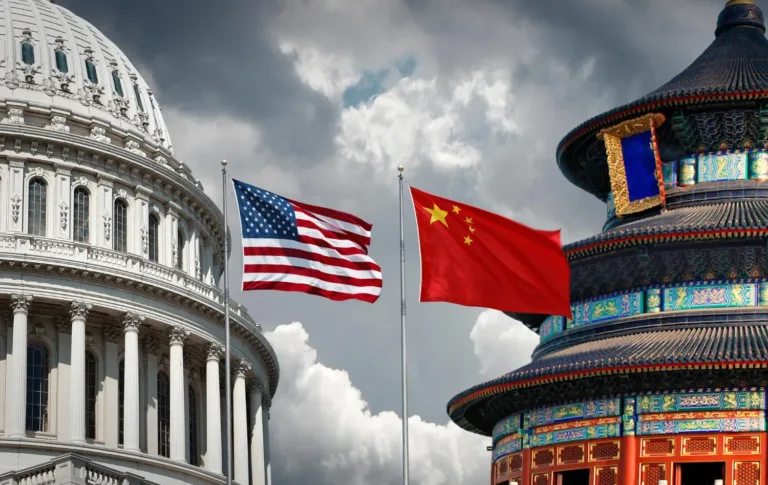
The European Union and the United Kingdom have agreed detailed terms for reducing sanitary and phytosanitary controls on food and agricultural trade. From 1 March 2028, many certificates and routine SPS border checks are due to be removed, potentially saving British companies up to £200 for each export health certificate. In return, the UK will align the rules covered by the agreement with EU legislation. The legal procedures required to implement the new system have yet to be completed.
By the Editorial Team. Adapted from the Polish original, published on 20 November 2026.
The detailed arrangements presented by the UK government on 20 November 2026 provide for a common sanitary and phytosanitary area. The aim is to reduce barriers that emerged after Brexit despite the EU–UK Trade and Cooperation Agreement.
UK agri-food exports to the EU have fallen by 32.5% compared with 2019, according to figures cited by the British government. The new rules are intended to lower documentation and inspection costs and allow some British products currently restricted from the EU market to be exported again.
Health certificates and routine border checks to be removed
The central change will be the removal of export health certificates for products covered by the agreement. These documents are currently required for many products of animal origin, including meat, fish and dairy products. The UK government says a single certificate can cost a business as much as £200.
Phytosanitary certificates will also be removed for plants and plant products covered by the agreement. The government estimates a saving of about £25 per document and at least £127.60 in inspection fees per consignment. These amounts relate to separate procedures and should not be treated as a uniform saving on every shipment.
The agreement also provides for an end to routine SPS checks on products including meat, fish and dairy goods. It will not eliminate all border controls: customs rules will continue to apply, and protective measures may still be taken when biological risks arise.
Lower costs for importers, exporters and hauliers
Fewer formalities should reduce shipment-processing costs, particularly for companies that move goods across the English Channel regularly. Current procedures require documentation, certification arrangements and inspection time to be built into transport schedules.
Logistics companies should have fewer steps to complete before goods cross the border and during clearance. This matters especially for temperature-controlled products such as fresh meat, fish and dairy goods. Fewer mandatory inspections could make deliveries easier to plan, although the actual effect on transit times will only become clear once the new procedures are in operation.
The simplifications will also cover part of the organic-products trade. Certificates of Inspection, where currently required, will no longer be needed, reducing the documentation needed to place covered products on the market.
British sausages, burgers and seed potatoes to return to the EU market
The arrangements would reopen the EU market to certain British products whose sale was restricted after Brexit. The government lists fresh sausages, burgers, seed potatoes and molluscs among the products affected.
Producers would regain access to sales channels closed by the post-Brexit changes in sanitary rules. Future export volumes will still depend on demand, prices and companies’ ability to rebuild commercial relationships.
UK to align covered rules with EU legislation
The reduction in controls depends on the UK and the EU applying the same rules in the areas covered by the agreement. London has committed to keeping those rules aligned as EU legislation changes.
The common SPS area will cover food and feed safety, animal health and welfare, plant protection, organic production, selected marketing standards, food labelling, pesticides and biocidal products. It will also include specified rules on food supplements, food for special purposes and health claims.
The UK government says it will be able to participate at an early stage when new EU rules are being developed. This will not give the UK a vote when EU legislation is adopted.
For businesses, the change means fewer border formalities alongside a continuing obligation to meet common product and production requirements. British producers will have to incorporate future changes in EU law in the areas covered by the agreement.
Exceptions cover alcohol, fisheries and selected agricultural rules
Wine and spirits will remain outside the common SPS area. The EU’s Common Fisheries Policy and rules governing fish stocks will also be excluded.
The UK will retain its ban on exporting live farm animals and horses for fattening or slaughter outside the British Isles. It will also remain free to use separate measures to combat pet smuggling.
Transition periods have been agreed for selected pesticides, biocidal products and organic-production rules. For pesticides, businesses will have between nine and 21 months to phase out specified products. Adaptation periods for some biocidal products may extend to 42 months from the date the agreement starts to apply.
Separate arrangements apply to plants produced using precision-breeding methods. England’s rules in this area are to remain in force until July 2028, while specified products may continue to be placed on the market under the existing system until October 2029.
The transitional provisions also cover selected novel foods, including products made through cell cultivation and precision fermentation, as well as food containing cannabidiol. In specified cases, production previously authorised on the UK market may continue until October 2029.
Goods already on the UK market when the agreement starts to apply may remain there even if they do not meet the relevant EU requirements. The provision is intended to limit losses from having to withdraw existing stock.
Northern Ireland trade also affected
The agreement will also change the movement of goods between Great Britain and Northern Ireland. Combined with the Windsor Framework, it is intended to remove regulatory certificates and routine checks for the vast majority of agri-food products, plants and agricultural machinery moving from Great Britain to Northern Ireland.
Most goods will no longer need the special retail-delivery scheme for Northern Ireland. The scheme will remain available for products covered by transitional arrangements that do not yet meet the relevant EU requirements.
UK government estimates a £5.1 billion annual GDP effect
The British government estimates that the agreement could raise the level of UK GDP in 2040 by as much as £5.1 billion a year, or about 0.14%, compared with a scenario without the new arrangements. The forecast reflects expected economic gains from lower trade barriers.
The figure is not a direct estimate of business savings and does not represent GDP growth already achieved. The published estimates also do not show how much of the benefit might feed through to consumer food prices.
New rules planned from 1 March 2028
In November 2025, the Council of the European Union authorised negotiations on a common SPS area. The arrangements presented at the 20 November 2026 summit set out the planned start date, the scope of common rules, exclusions and transition periods.
The agreement is due to apply from 1 March 2028, provided the necessary procedures are completed in both the EU and the UK. Britain plans to implement it through the European Partnership Bill and secondary legislation.
The UK government also plans earlier legislation allowing companies to use EU authorisations for food and feed, together with the relevant health and identification marks. Earlier alignment measures are also planned for pesticides and biocidal products. Details remain subject to the legislative process.
Sources
UK Cabinet Office, UK-EU Summit 2026 Explainer SPS, 20 November 2026; Council of the European Union, Post-Brexit agreements, 16 November 2026.