
Poland’s SME Ombudsman has asked the climate ministry how it intends to address problems with the country’s BDO waste database. Businesses report technical difficulties, excessive paperwork and inconsistent interpretations of the rules, adding to their administrative workload.
Source: Poland’s SME Ombudsman (Rzecznik Przedsiębiorców). English adaptation of the Polish article, originally published on 9 November 2026.
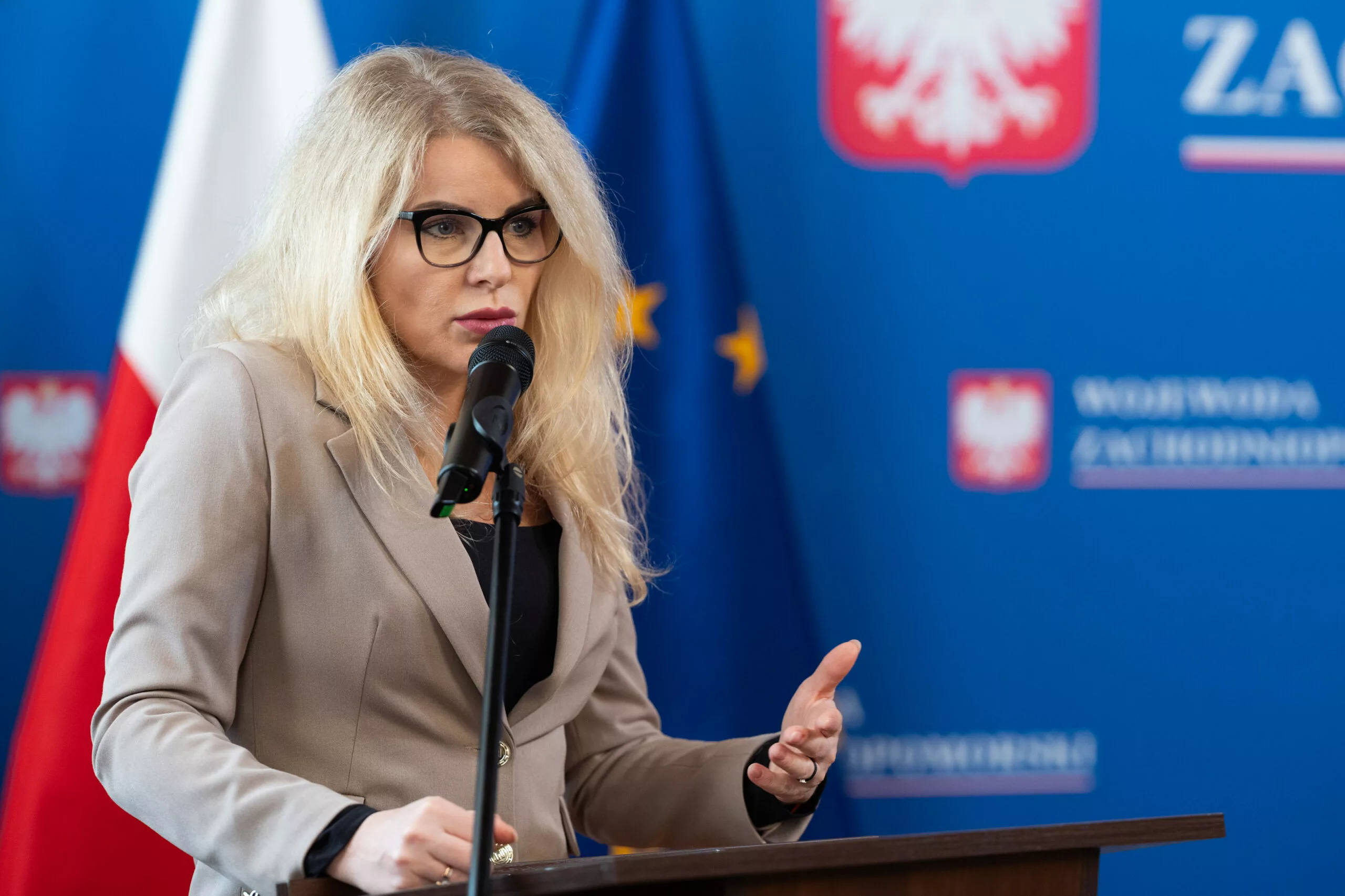
Photo: Agnieszka Majewska, Poland’s SME Ombudsman.
Agnieszka Majewska, the Ombudsman for Small and Medium-Sized Enterprises, wrote to Climate and Environment Minister Paulina Hennig-Kloska following numerous complaints from businesses. She requested information on planned measures to improve BDO, Poland’s database on products, packaging and waste management.
Repeated data entry and inconsistent checks
Businesses point to limited functionality in individual BDO modules, the need to enter the same information repeatedly and difficulties integrating the system with their own software. Changes introduced during reporting periods create a further burden, forcing firms to adapt their procedures quickly. They also report conflicting interpretations of the rules and differences in how regional government offices, known in Poland as marshal’s offices, verify reports.
“The BDO system should make it easier to meet waste management obligations, yet for many businesses it has become a source of additional costs and administrative burdens,” Majewska said. “This is especially true of the smallest firms, where reporting duties often fall to the owner. Digitising public administration should simplify procedures and save business owners time, rather than create further difficulties.”
Funding changes have yet to deliver for many firms
An amendment to Poland’s Waste Act that took effect on 1 January 2025 changed the way BDO is funded, with the aim of improving its operation and addressing identified shortcomings. Complaints received by the SME Ombudsman’s office suggest, however, that many businesses have yet to see the expected improvement.
“The changes to BDO’s funding arrangements were intended to create the conditions for improving the system. Yet businesses still face problems that hamper their day-to-day operations,” Majewska said. “We need solutions that ensure a stable system, consistent application of the rules and fewer unnecessary formalities. Businesses have a right to expect the tools provided by public authorities to be functional and predictable.”
In her letter to the climate and environment minister, Majewska asked whether the ministry is undertaking or planning legislative and organisational work to improve BDO. In the ombudsman’s view, reducing the administrative burden on businesses requires both resolving technical problems and ensuring that the rules are applied consistently.