Poland’s National Centre for Research and Development (NCBR) has named four winners in the first Innovaticus NCBR awards, recognising research projects that have progressed to practical deployment. The winning technologies include a neurological rehabilitation robot, drone traffic-safety systems, portable solar power equipment and a light armoured reconnaissance vehicle.
The organisers shortlisted 20 NCBR-supported R&D projects whose work had resulted in implementation. Prizes were presented in health and biotechnology, digital and deep technology, energy and clean technology, and defence and security.
EGZOTech: rehabilitation robot
EGZOTech won the health and biotechnology award for Meissa OT, a robotic rehabilitation device designed for upper-limb functional training using electromyography (EMG) and electrical stimulation.
The system detects electrical signals generated by a patient’s muscles. Even small muscular activity may trigger assisted movement, supporting training for people with neurological impairments. Its design includes a four-channel EMG system, movement-synchronised stimulation and interchangeable therapy attachments.
The equipment is designed for clinical use and potentially for use at home under appropriate conditions. The project received EU support through Poland’s Smart Growth Operational Programme.
Aerobits: safer drone integration
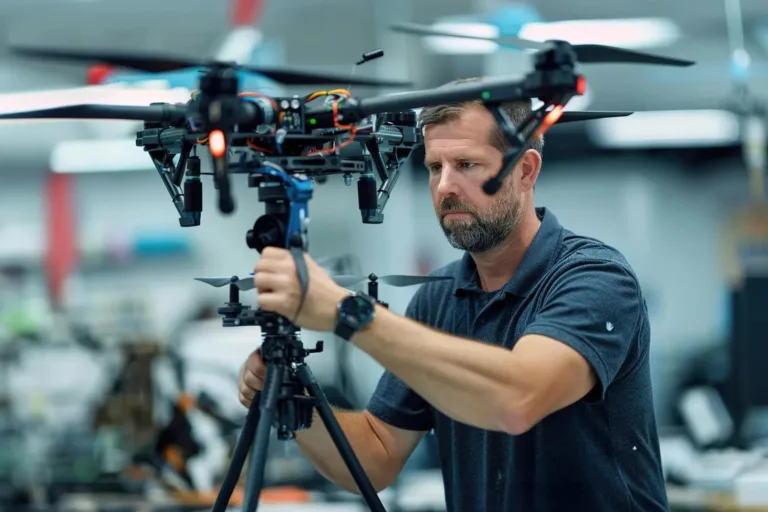
Aerobits won in digital and deep technology for compact airborne electronics intended to support safer operation of drones alongside crewed aircraft.
Its radio architecture uses processing and FPGA technology to decode aircraft signals in real time. The TR-10i module is designed to support information exchange and integration with aviation infrastructure. According to the company, Aerobits technology is used in more than 75 countries.
Military Engineering Institute: portable solar energy
The Military Institute of Engineering Technology in Wrocław received the energy and clean technology prize for work on lightweight power systems combining photovoltaic cells with lithium-ion batteries or supercapacitors.
Participants in the consortium included ML System, the Institute of Physics of the Polish Academy of Sciences and the University of Warsaw. One project outcome is a portable solar charger with integrated energy storage for powering phones, tablets and navigation devices away from the grid.
The work received NCBR backing under the TECHMATSTRATEG programme.
AMZ-KUTNO: armoured reconnaissance vehicle
AMZ-KUTNO won the defence and security category as lead participant in a consortium that developed a light armoured reconnaissance transporter. The project involved military research institutions and was designed to combine crew protection, cross-country mobility and the ability to negotiate water obstacles.
Funding came through an NCBR programme supporting research and development for national defence and security.
Awards emphasise actual deployment
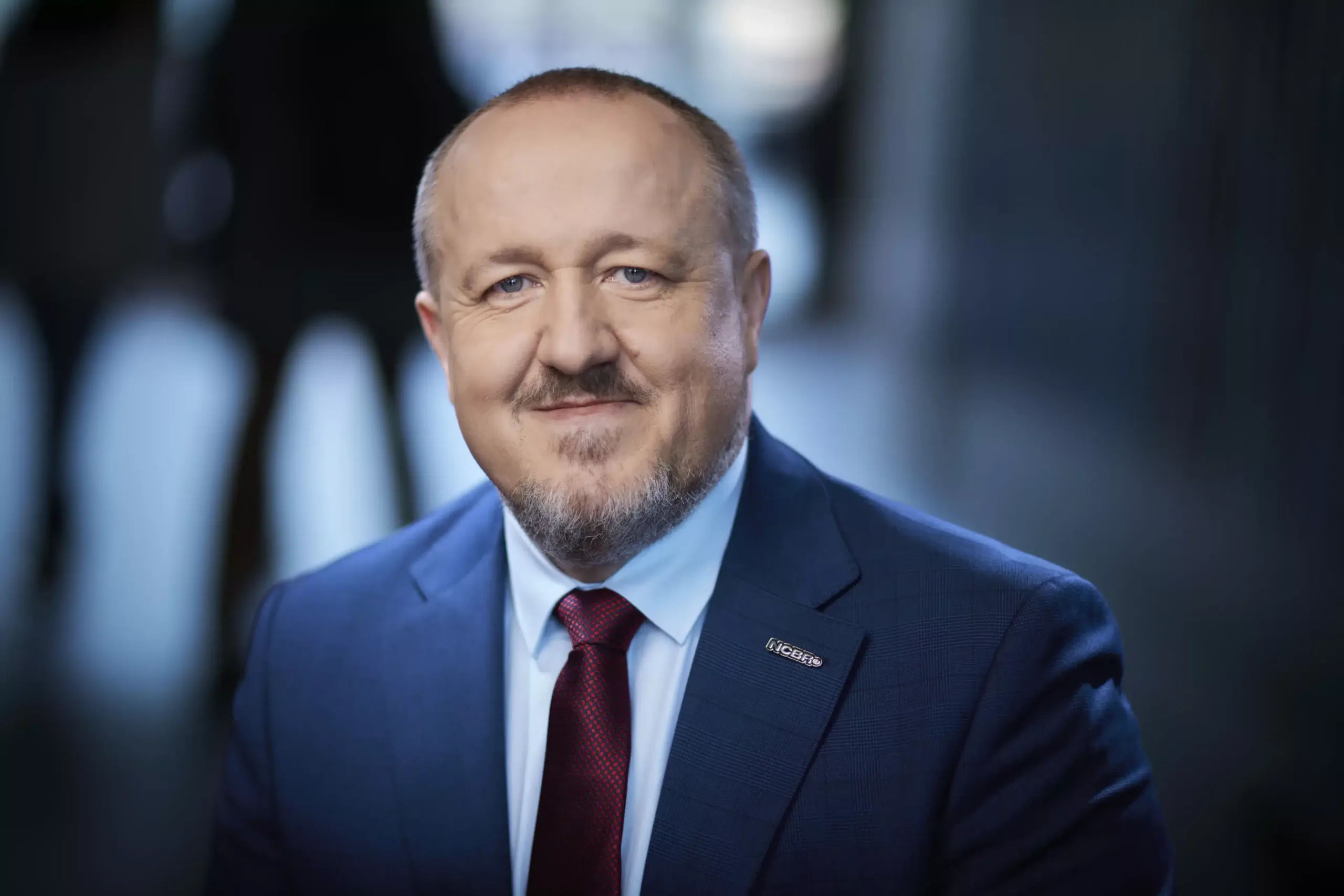
NCBR director Jerzy Małachowski said innovation creates wider benefits when research reaches users and markets, rather than remaining confined to laboratories. A judging panel representing research, business and public institutions assessed the implemented results of the 20 finalists.
Source: Poland’s National Centre for Research and Development (NCBR), Innovaticus NCBR competition announcement, November 2026.