
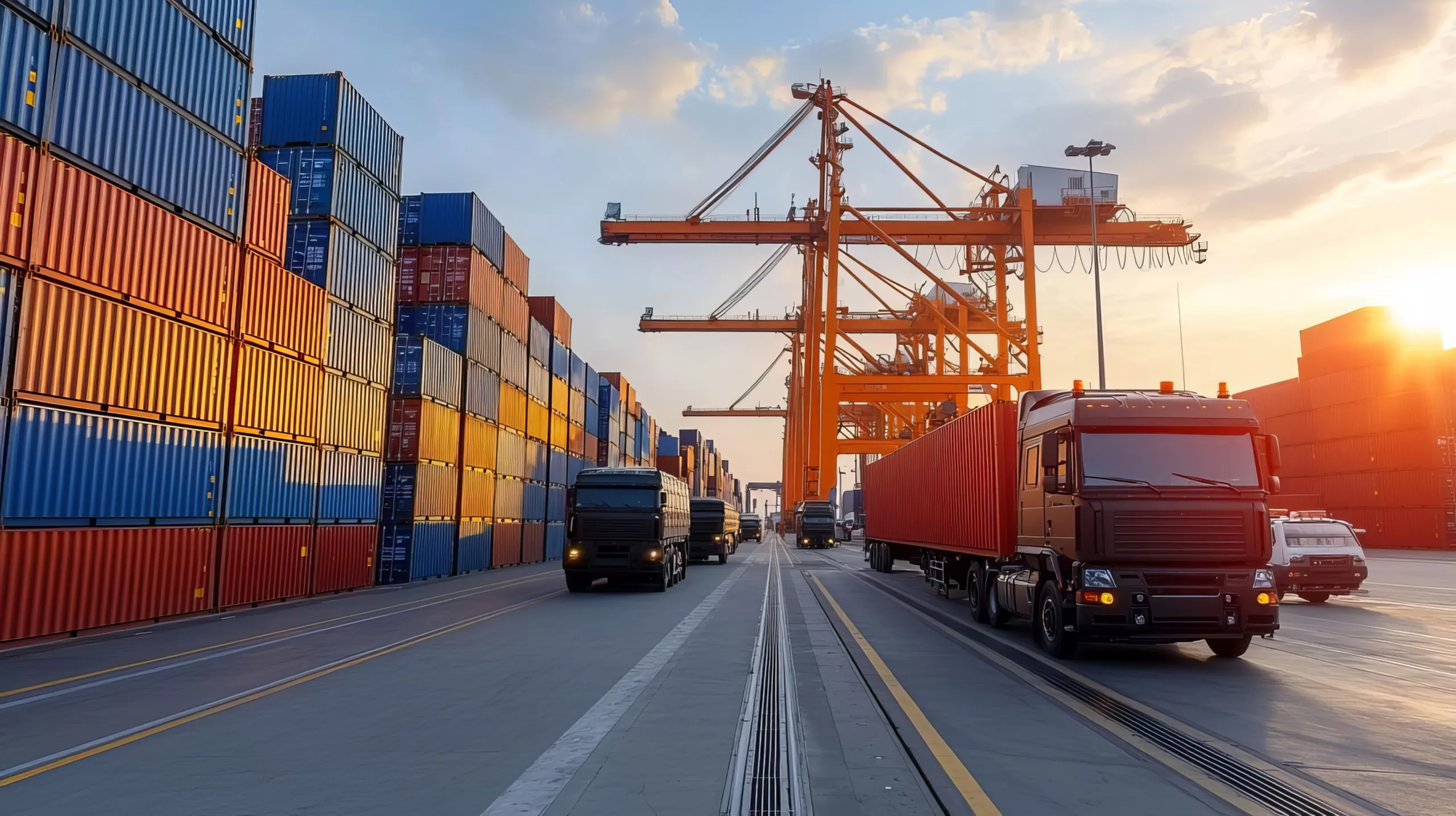
Global seaborne trade volumes are expected to show no growth in 2026, according to UNCTAD’s latest Review of Maritime Transport. The world shipped 12.3 billion tonnes of goods by sea in 2025, up 1.9% from the previous year, but geopolitical disruption, tariffs and longer voyages are reshaping demand for shipping services and raising costs.
Growth slowed from 3.9% in 2024 to 1.9% in 2025. UNCTAD projects a rebound of 3.2% in 2027, although that outlook is vulnerable to political and trade developments.
More distance travelled despite stagnant volumes
UNCTAD expects transport work measured in tonne-miles to rise 1.5% in 2026. Tonne-miles incorporate both cargo weight and the distance carried, so rerouting around unsafe waterways can raise shipping demand even when the tonnage transported remains unchanged.
Longer journeys consume additional fuel, occupy vessels for more time and can increase insurance and operating costs. Importers may face longer delivery periods and need more working capital for goods in transit.
More than 80% of international merchandise trade by volume is carried by sea.
Freight rates reflect disruption and capacity constraints
Between January and August 2026, spot container freight rates more than doubled, according to the report. Routes serving the Middle East were especially affected by shipping disruptions and limited availability.
More recent price movements differ by route. Drewry’s World Container Index fell 3% week on week to $4,032 per 40-foot container on 26 November, from $4,176 a week earlier. Shanghai–Los Angeles rates declined 8% to $6,437, while Shanghai–Genoa rates rose 8% to $4,802.
Companies using long-term freight contracts may be less exposed to short-lived spot-market swings than businesses buying shipping services at current rates.
Higher marine fuel prices could lift consumer prices
UNCTAD modelled a scenario in which marine fuel prices remained 70–80% above their January–February 2026 levels. Under that scenario, the global consumer price level could be an additional 0.19% higher.
The estimated effect reaches 0.35% in least developed countries and 0.27% in small island developing states. These are modelled changes in price levels, not forecasts of annual inflation rates.
Container shipping still expected to grow
UNCTAD expects containerised trade volumes to increase 3.3% in 2026, despite stagnation in overall seaborne tonnage.
Container trade between developing economies expanded 12.1% in 2025. Trade routes are changing as manufacturers diversify production, particularly in Southeast Asia. The Vietnam–US route’s share of global container trade rose from 0.5% in 2015 to 1.8% in 2025.
Fleet expansion risks creating excess capacity
Global merchant fleet carrying capacity increased 3.5% in 2025, compared with 1.9% growth in cargo volumes. Longer routes currently absorb some of that extra capacity, but a return to shorter routes could make more space available and put downward pressure on freight rates.
The industry also faces a substantial fleet-renewal challenge. UNCTAD estimates that 42% of merchant vessels are more than 20 years old, increasing the importance of investment in efficient ships.
Port capacity becomes a greater constraint
Alternative maritime routes can concentrate traffic at different ports, generating congestion and longer loading and unloading times. These delays increase operating costs and reduce effective fleet availability even without a change in nautical distance.
Developing economies with limited direct shipping services are particularly exposed because importers have fewer alternatives when schedules are disrupted or rates rise.
Sources: UNCTAD, Review of Maritime Transport 2026 and press release PR/2026/020, 26 November 2026; UNCTAD Maritime Statistics; Drewry World Container Index, 26 November 2026.