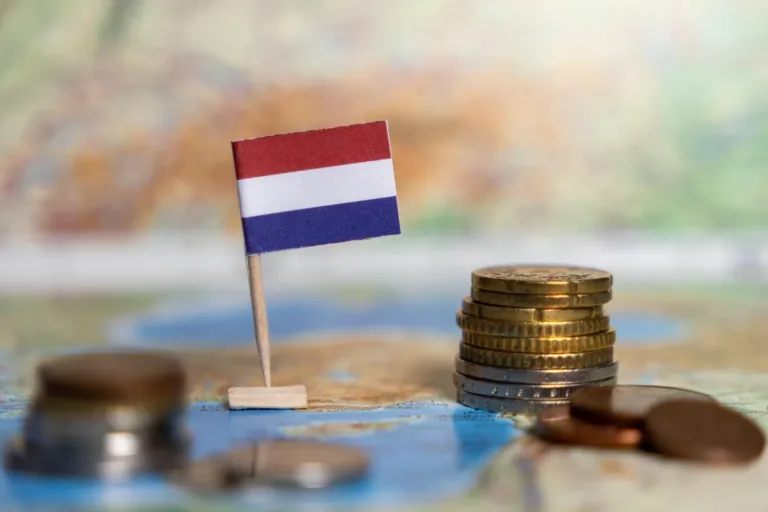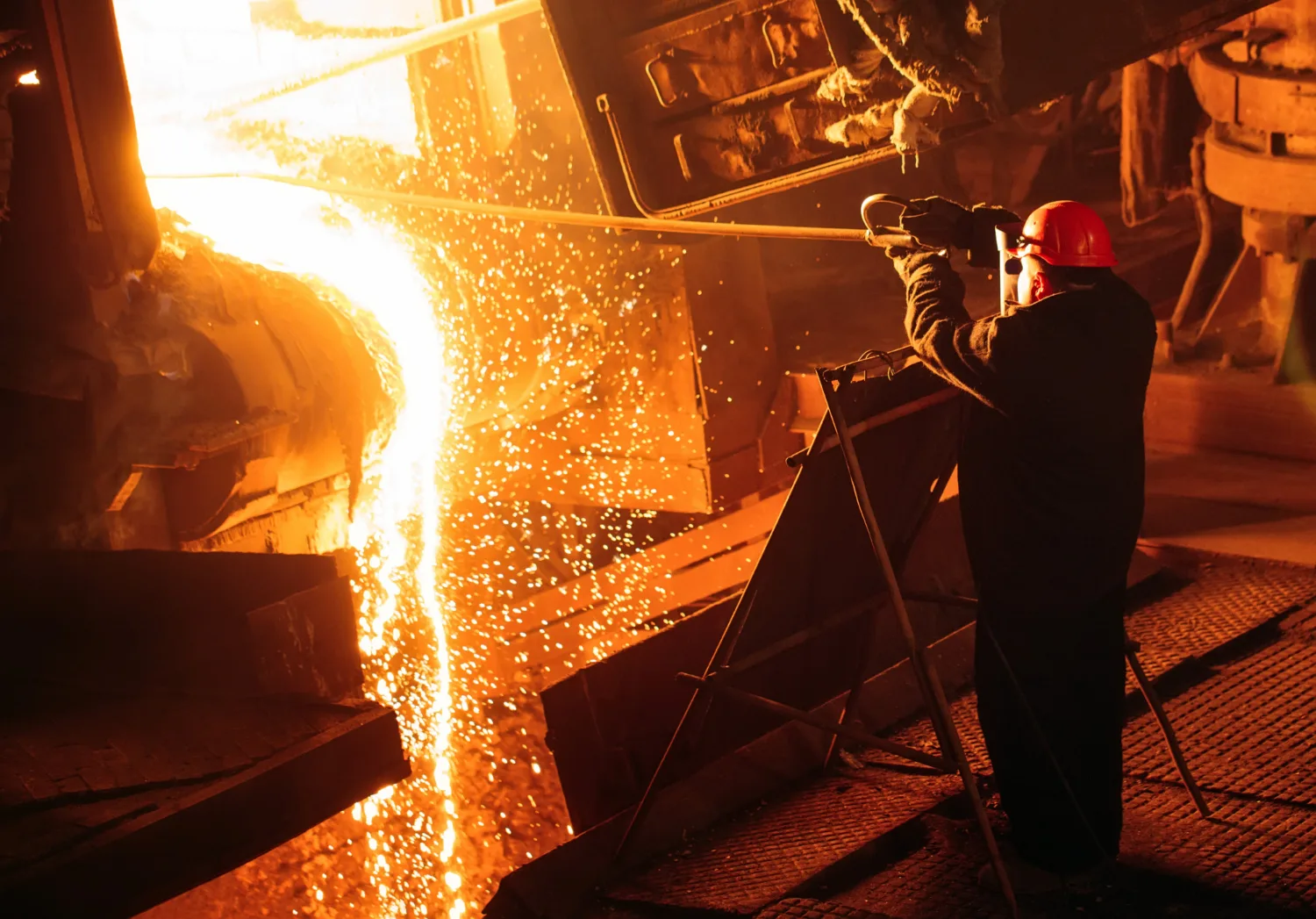
Dutch importers face an estimated €121.3 million in carbon border adjustment costs on goods imported in the first half of 2026, according to Statistics Netherlands (CBS). Iron and steel account for €93.3 million, more than three-quarters of the total, while about 800 companies had already crossed the annual 50-tonne threshold by the end of June.
By the CEO editorial team. English adaptation of the Polish original, published on 26 November 2026 at 21:32:01 UTC.
The calculations, published on 26 November, put iron, steel and aluminium at about 95% of estimated costs under the EU’s Carbon Border Adjustment Mechanism (CBAM). These products also accounted for nearly 92% of the weight of the imports studied.
CBS estimated the liabilities from import data. Certificates covering those shipments will be purchased in 2027.
Aluminium accounts for €21.9 million
After iron and steel, aluminium generated the largest estimated charge, at €21.9 million. Fertiliser accounted for €5.3 million and cement for €0.7 million.
CBS matched individual companies’ shipments with the EU’s TARIC customs database and applied the Dutch Emissions Authority’s (NEa) calculator. The estimate covers companies that had exceeded the annual 50-tonne threshold by the end of June.
The total could rise once shipments by companies crossing the threshold in the second half are included. The figures are preliminary.
Chinese goods generate €35.4 million of estimated costs
China and India together accounted for almost 46% of the estimated liability. China’s share was 29.2% and India’s 16.6%, followed by Turkey at 7.6%, Canada at 6.7%, the United Kingdom at 6.3% and Indonesia at 5.9%; other countries accounted for 27.6%.
For iron and steel, shipments from China accounted for 33% of costs, India for 21% and Turkey for 8%. The largest aluminium liabilities were associated with imports from Canada, China and Mozambique.
Canada was the largest supplier of the goods studied by weight. Its position mainly reflected aluminium exports to the Netherlands.
Iron and steel import volumes fell 20%
The Netherlands imported almost 1.1 million tonnes of the covered goods from outside the EU in the first half of 2026, nearly 17% less than a year earlier. Their value fell by less than 3%.
Iron and steel volumes declined by 20%, while aluminium volumes increased by almost 14%. The CBS figures show year-on-year changes but do not isolate CBAM’s effect on shipment volumes.
Companies above the threshold account for 97% of import weight
More than 11,000 Dutch companies imported goods covered by CBAM during the first half. Those above the 50-tonne threshold accounted for about 97% of the weight of shipments from outside the EU, while the largest 1% of importers accounted for about 82% of the entire volume studied.
The threshold applies to each importer over a calendar year. It adds together the net weight of covered iron and steel, aluminium, fertiliser and cement shipments.
Once a company exceeds 50 tonnes, it must account for all covered shipments in that year, including those made before crossing the threshold. The exemption does not apply to electricity or hydrogen imports.
Certificate prices follow EU carbon allowance auctions
CBAM’s definitive rules have applied since 1 January 2026. The regulation identifies covered products by customs code, and an authorised importer or its indirect customs representative must declare their embedded production emissions and surrender the corresponding number of certificates.
Depending on the product, declarations can use verified actual emissions or European Commission default values. For 2026 imports, certificate prices correspond to the average EU Emissions Trading System (EU ETS) auction price in the quarter of import; from 2027, weekly averages will apply.
The number of certificates required is adjusted to reflect free allowances under the EU ETS. Importers can also reduce the charge by documenting carbon costs actually paid during production in a third country.
Two steel shipments bought at the same price can therefore incur different import costs if their production emissions differ. As free EU ETS allocations are phased out, the proportion of emissions covered by CBAM rises.
The mechanism is intended to reduce the risk of production moving outside the EU or EU-made goods being replaced by imports produced with higher emissions.
From 1 January 2027, CBAM will also cover imports into Norway and Iceland. Certificate sales on the common platform will begin on 1 February 2027; authorised declarants must submit their first annual declaration for 2026 imports and surrender the required certificates by 30 September 2027.
Sources
- Statistics Netherlands (CBS), “CO₂ levy on imports was over €120 million in first half of 2026”, release and tables published on 26 November 2026 at 06:30.
- CBS, “Calculation of costs due to the CBAM levy”.
- CBS, Internationalisation Monitor 2026, second edition, Chapter 7, section 7.4 on CBAM.
- European Commission, “CBAM definitive regime” and “CBAM communication and news”.
- Regulation (EU) 2023/956; Regulation (EU) 2025/2083; Implementing Regulation (EU) 2026/2498.