
From 30 June 2026, Polish universities will be able to issue electronic diplomas, which graduates will be able to download, among other places, through the mObywatel app. The launch of the Electronic Diploma Repository is intended to make educational credentials easier to access, streamline their issuance by universities, and speed up the verification of qualifications by employers.
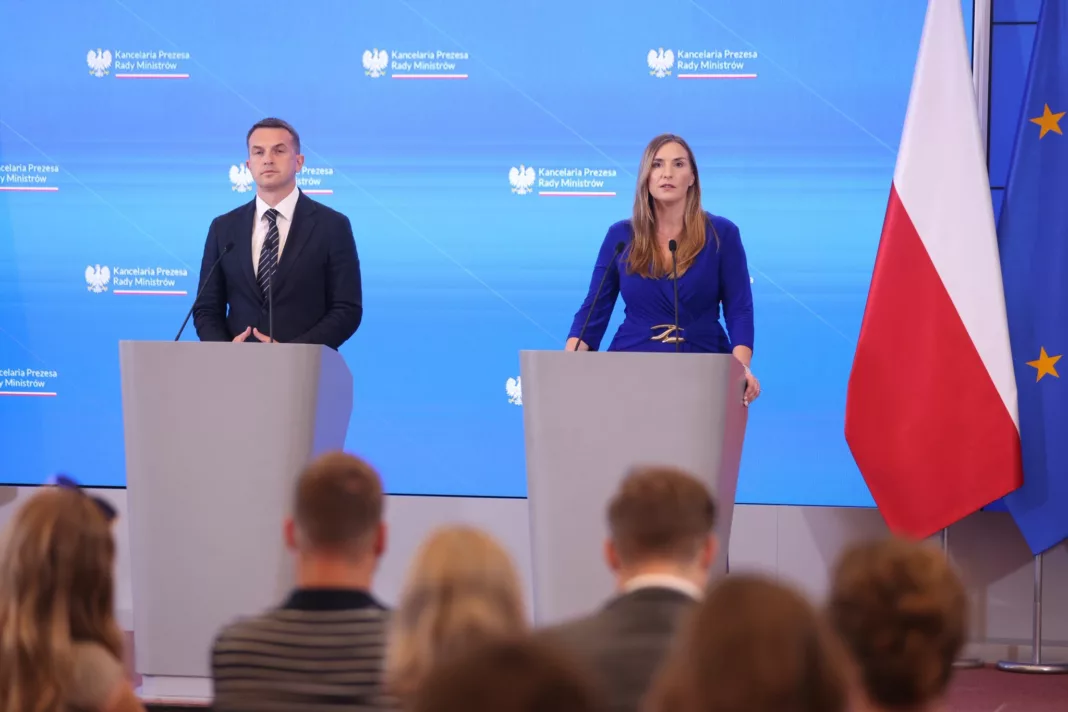
The launch of the system was announced during a press conference at the Warsaw University of Technology. Participants included Minister of Science and Higher Education Marcin Kulasek, Deputy Minister of Science Maria Mrówczyńska, Deputy Minister of Digital Affairs Dariusz Standerski, representatives of the Information Processing Centre and members of the academic community.
The new solution enables the digital issuance, download and verification of university graduation diplomas, as well as doctoral and habilitation diplomas. From 30 June until the end of 2026, universities will be able to use the system voluntarily. From 1 January 2027, the electronic diploma is expected to become the primary form of confirming higher education qualifications in Poland.
“Delivering such a large project required combining many perspectives: legal, organisational, technological and academic. As a result, e-Diplomas are not merely a technology project, but part of a broader transformation in the way documents function in higher education,” said Marcin Kulasek, Minister of Science and Higher Education.
According to the ministry, the project is worth more than PLN 33 million, including over PLN 30 million from the National Recovery Plan.
Diploma Available Online and in mObywatel
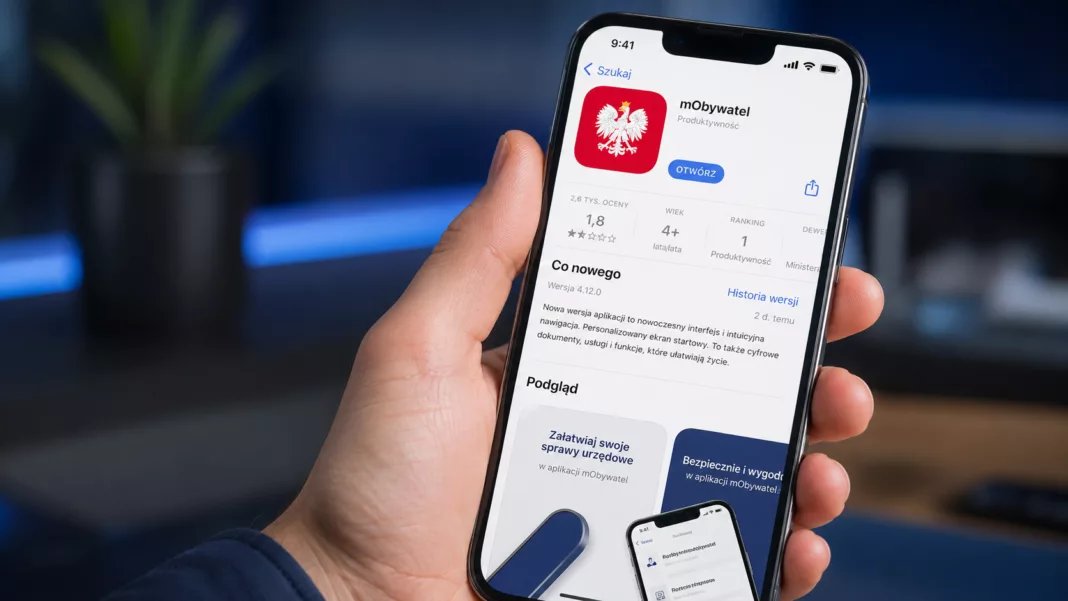
Graduates will be able to access their documents through the dyplomy.nauka.gov.pl portal and the mObywatel app. The app is expected to provide access to both mDiplomas and doctoral student ID cards.
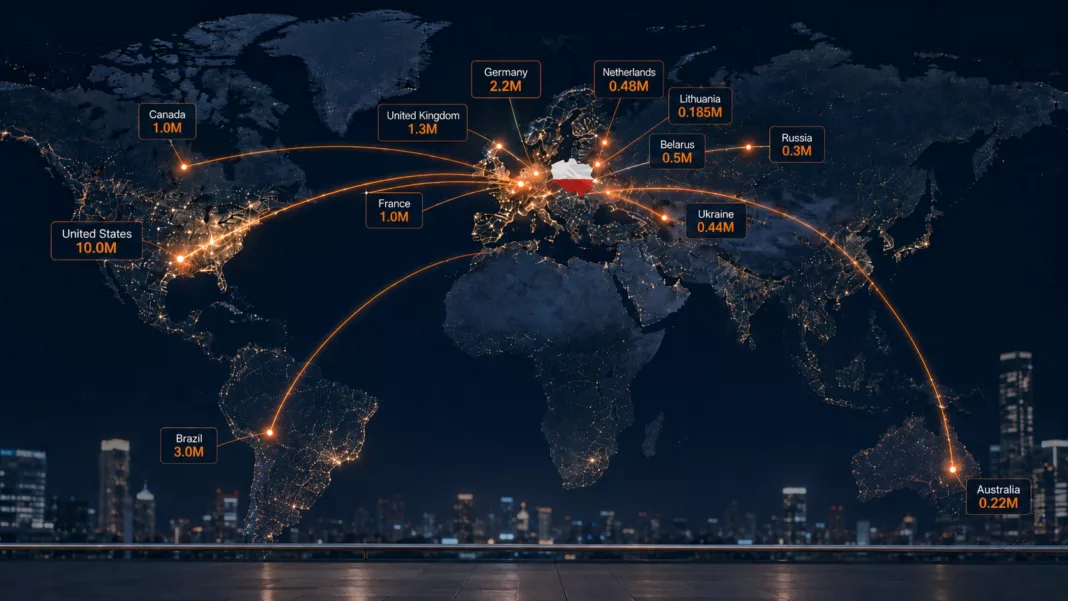
The electronic document can be downloaded to a computer or smartphone and then presented for verification. This is intended to reduce the need to store a paper diploma and make the document easier to access for people living away from home or abroad.
The Electronic Diploma Repository operates as part of POL-on, the Integrated Information System on Higher Education and Science.
“The Electronic Diploma Repository is a solution that combines modern technology with a solid legal foundation. Thanks to the transitional period, universities will be able to prepare their organisational and technical processes before mandatory electronic diplomas come into force in 2027,” said Maria Mrówczyńska, Undersecretary of State at the Ministry of Science and Higher Education.
Universities Will Be Able to Integrate Their Own Systems
The system was developed by the Information Processing Centre. Universities will be able to submit diplomas to the repository manually through the POL-on system or automatically by integrating their own IT systems with the repository through an API.
According to the project’s assumptions, the solution is expected to reduce costs related to printing, document storage and administrative handling. It is also intended to introduce a uniform standard for issuing and archiving digital diplomas across Poland’s higher education system.
“We have created a solution that simplifies processes on the university side, automates document handling and ensures a uniform standard for the entire higher education system,” said Marek Michajłowicz, Deputy Director for Software Development at the Information Processing Centre.
Professor Krzysztof Zaremba, Rector of the Warsaw University of Technology, noted that implementing e-diplomas will require organisational changes at universities, but may also improve access to documents and streamline administrative processes.
Faster Verification for Employers
Employers are also expected to benefit from the new system. Free verification tools are intended to make it possible to check the authenticity of a submitted diploma and confirm the qualifications of job applicants.
“A diploma is a document that opens doors: to employment, further education and confirmation of one’s skills. Today, we are beginning the process of introducing diplomas to mObywatel—secure and easy to present in any situation,” said Dariusz Standerski, Secretary of State at the Ministry of Digital Affairs.
The ministries indicate that centralised document verification may reduce the risk of forged diplomas being used and shorten recruitment procedures.
An Electronic Diploma Will Not Be a Scan
The electronic diploma is intended to be an original document, rather than a digital copy of a paper diploma. The university will sign it with the qualified electronic signature of an authorised person and then register it in the Electronic Diploma Repository.
Once registered, the document will receive the repository’s qualified electronic seal and a timestamp. This is intended to confirm its integrity and authenticity.
Key Dates
30 June 2026 – Launch of the Electronic Diploma Repository and the possibility for universities to issue e-diplomas.
30 June–31 December 2026 – Transitional period during which the issuance of electronic diplomas will be voluntary.
1 January 2027 – Electronic diplomas are expected to become the primary form of confirming higher education qualifications.