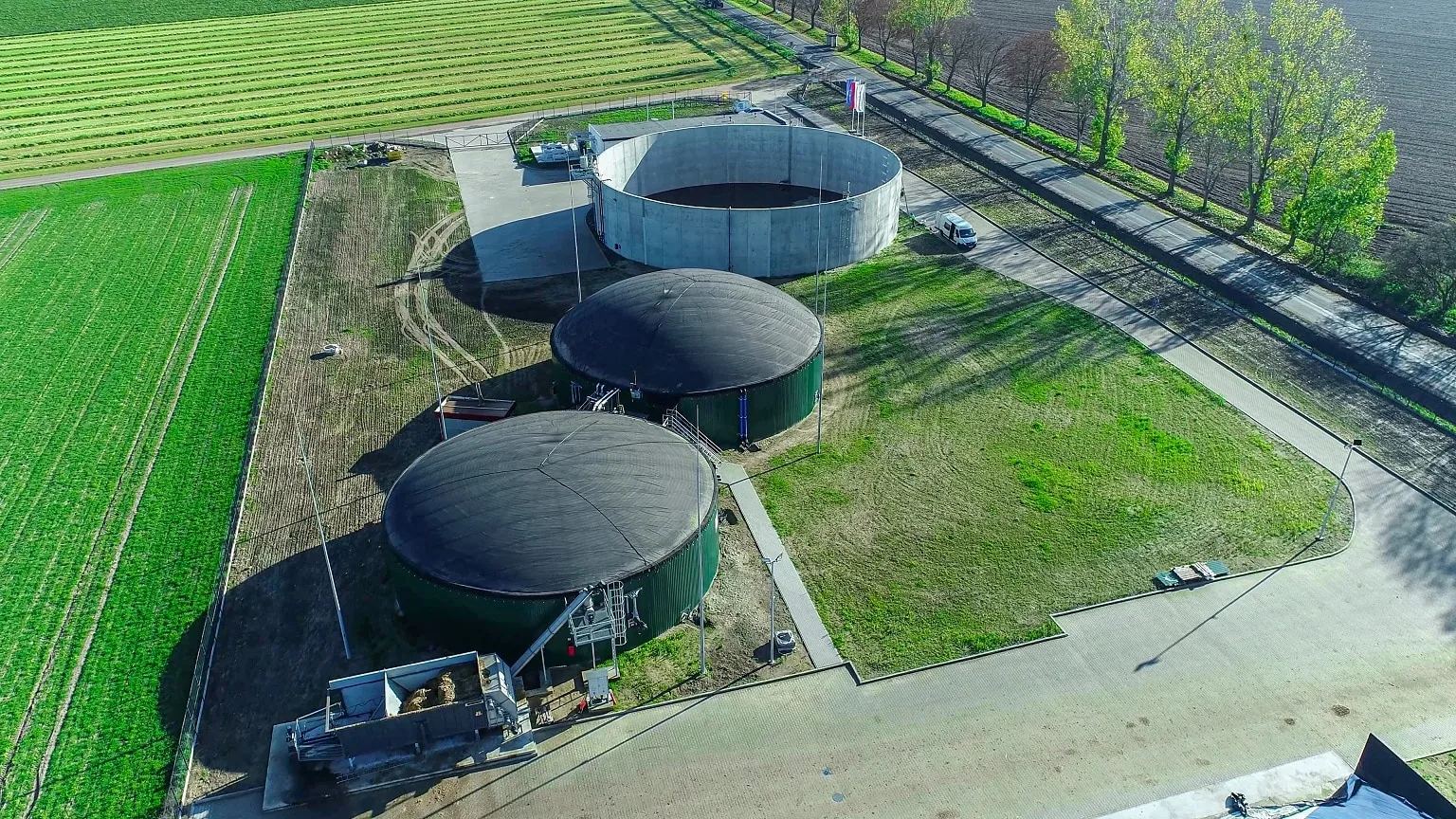
Poland’s environmental fund has brought the deadline for its Energy for Rural Areas funding round forward to 4 December 2026, 58 days earlier than planned. The PLN 400 million allocation was exhausted on the second day, and further applications carry no guarantee of support.
By the editorial team. Polish original published on 28 November 2026 at 14:44:25 UTC. English edition published separately.
The National Fund for Environmental Protection and Water Management (NFOŚiGW) had originally planned to accept applications until 31 January 2027. The third round of the Energia dla Wsi programme, or Energy for Rural Areas, opened on 1 October 2026. The fund announced the following day that its available allocation had been exhausted.
Of the PLN 400 million budget, PLN 260 million was earmarked for grants and PLN 140 million for loans.
Additional applications depend on a larger budget
NFOŚiGW continued accepting applications after the allocation ran out. Submissions above the available funding may be considered if the round’s budget is increased, subject to the programme rules.
Farmers and energy cooperatives applying by 4 December are therefore not guaranteed funding.
The overall programme has a PLN 3bn budget
The full programme has been allocated PLN 3 billion: PLN 1.95 billion in grants and PLN 1.05 billion in loans. The money comes from the Modernisation Fund.
Grants
Loans
Source: NFOŚiGW, original budget for the third funding round.
Since the programme began, NFOŚiGW has signed 170 agreements worth more than PLN 763 million. Supported investments include 105 agricultural biogas plants. The figure refers to the value of signed agreements, rather than money already paid to beneficiaries.
Support covers renewable generation and associated storage
The programme is open to farmers and energy cooperatives. It finances agricultural biogas plants, hydropower and wind plants, solar photovoltaic installations, and storage linked to new renewable energy sources.
| Installation | Scope of support |
|---|---|
| Solar photovoltaic systems | Construction of renewable generation capacity |
| Wind power plants | Construction of renewable generation capacity |
| Hydropower plants | Construction of renewable generation capacity |
| Agricultural biogas plants | Construction of a plant |
| Energy storage | Linked to a new renewable energy source |
Source: Energy for Rural Areas programme documentation.
Biogas can provide both electricity and heat
Agricultural biogas plants can generate energy from slurry, manure, crop residues and suitable by-products of the agri-food industry. Unlike wind and solar generation, biogas output does not depend directly on current wind speeds or sunlight. Cogeneration installations can produce electricity and heat simultaneously.
On farms, electricity can power machinery and equipment, while heat can be used in buildings, crop drying and production processes. Digestate can be applied to land as fertiliser once the relevant legal requirements are met.
Sources: NFOŚiGW, Energy for Rural Areas – closure of the application round, 27 November 2026; documentation for the programme’s third funding round; Modernisation Fund statement, 28 September 2026.