COP31 ended without its main climate pact after the European Union rejected a draft that omitted an explicit commitment to move away from fossil fuels. Two extra days of negotiations in Antalya also failed to secure the $120 billion a year in adaptation finance sought by developing countries.
By the CEO editorial team. English adaptation of the Polish original, published on 23 November 2026 at 21:38:03 UTC.
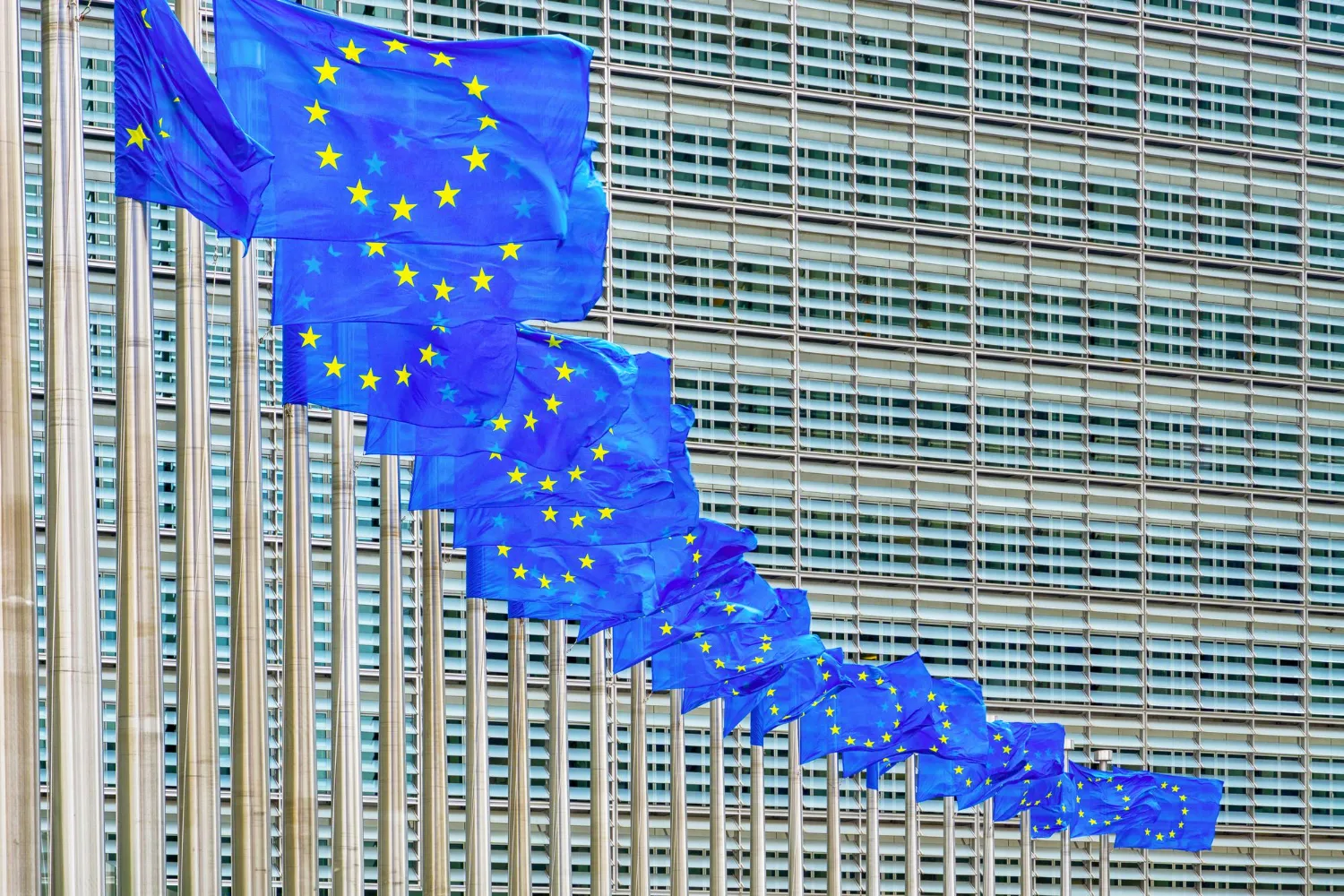
The EU formally objected to the draft Antalya pact, demanding that countries explicitly reaffirm the transition away from fossil fuels in energy systems agreed in Dubai three years earlier. Panama also rejected the draft. COP31 president Murat Kurum closed the talks on 22 November, marking the first UN climate summit since Copenhagen in 2009 to end without a main political agreement.
Dispute over the Dubai commitments and carbon capture
The negotiations began on 9 November and were due to finish on 20 November. The convention’s secretariat published the final drafts at 12:45 p.m. local time on Sunday, 22 November. Paragraph 39 called on governments to incorporate the Dubai conclusions into their national climate plans, but omitted explicit language on moving away from coal, oil and gas. The EU considered the reference insufficient, while Panama said the draft weakened earlier commitments.
The draft did, however, set a proposed target for carbon capture, utilisation and storage (CCUS). By 2035, the technologies would be deployed globally on a scale measured in billions of tonnes of CO₂, particularly in industries where emissions are difficult to reduce. The authors did not specify how the target would be divided among countries.
Saudi Arabia defended the provision on behalf of the League of Arab States, citing scientific assessments that envisage a role for these technologies in limiting warming. For oil exporters, carbon capture offers the possibility of reducing some emissions while continuing to use fossil fuels. The EU also demanded a commitment to reduce the use of the fuels themselves.
$120 billion a year to adapt to climate change
Developing countries wanted annual climate adaptation finance to rise to at least $120 billion by 2035. That is three times the $40 billion annual target for 2025. The EU and the United Kingdom wanted to discuss the issue within broader climate finance negotiations covering different sources of funding.
The final draft retained a pledge to discuss tripling finance by 2035 and to prepare a plan to improve access to funds. Governments planning projects such as flood defences still do not know how much support they can expect each year or who will provide it.
EU supports continued negotiations under UN auspices
On 23 November, European Commission spokesperson Anna-Kaisa Itkonen confirmed that the EU remained committed to negotiations within the UN framework. She put the EU’s share of global emissions at about 6%. UN Secretary-General António Guterres expressed disappointment with the summit’s outcome and recalled the commitment made in Dubai.
Antalya also hosted the presentation of initiatives on electricity grid expansion, access to power, and the electrification of transport and industry. According to the secretariat of the United Nations Framework Convention on Climate Change (UNFCCC), the initiatives presented on 19 November involve participants from more than 150 countries, alongside the EU, 37 cities and more than 260 companies.
The Paris Agreement remains in force. Delegates agreed to continue work on a just transition mechanism intended to support workers and communities affected by economic change, among others. They are due to settle its details in Bonn in 2027 and submit them for approval at COP32 in Addis Ababa.
Sources
- United Nations report on the close of COP31, 22 November 2026.
- UNFCCC, draft Antalya pact decisions: FCCC/CP/2026/L.14 and FCCC/PA/CMA/2026/L.25.
- European Commission briefing, 23 November 2026, and Reuters coverage.
- Carbon Brief coverage of the finance negotiations and just transition decision.
- UNFCCC electrification initiatives, 19 November 2026.