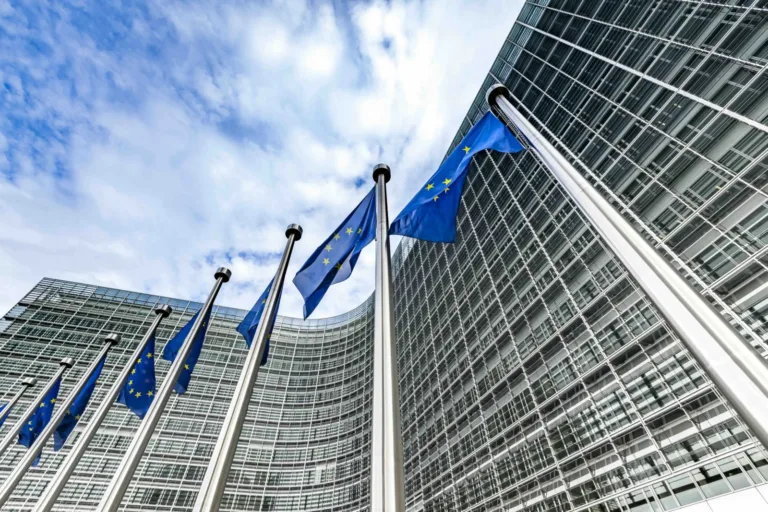

The Council of the European Union adopted conclusions on 19 November 2026 calling for stronger protection of young people against online disinformation, manipulation and harassment. It urged member states to improve media literacy and teach critical assessment of AI-generated content, while highlighting proposals for greater transparency in social media recommendation systems.
The conclusions provide political guidance to EU institutions and national governments. They are not a regulation or directive and do not create new legal duties for technology companies, employers or schools.
AI literacy becomes part of media education
The Council said AI is changing how information is created, distributed and consumed. Young users encounter growing amounts of automatically generated material, making it harder to establish origin, reliability and whether a message is designed to mislead.
The conclusions encourage countries to use the Commission’s updated 2026 guidance for teachers on tackling disinformation and the EU–OECD AI literacy framework for primary and secondary education.
Education should cover verification of AI-generated answers, source assessment, recognition of manipulation and awareness of coordinated disinformation, including operations linked to state actors. The recommendations span schools, youth organisations and lifelong learning.
Social media algorithms under scrutiny
At an EU youth conference held in Dublin from 27 to 30 September 2026, participants called for greater transparency in the algorithms used to recommend content on online platforms.
Young delegates argued that systems designed to maximise engagement may amplify emotionally provocative content and political polarisation. Their proposals included easier ways to change recommendation settings, clearer information about data used for personalisation and limits on design features encouraging prolonged use, such as endless scrolling.
The Council recognised these proposals as contributions from young people. It did not adopt them as binding platform requirements.
Proposed European quality label for information
Conference participants also put forward a European information quality label, potentially issued by an independent body to help users identify providers that follow transparent editorial standards.
The suggested criteria included source handling, disclosure of funding and use of AI in content creation and editing, including automated text revisions without human supervision.
No certification system, assessment rules or timetable have been adopted. At this stage the quality label remains a proposal from consultation participants rather than an agreed EU measure.
Cyberbullying, privacy and digital safety
The Council drew attention to online harassment and misinformation and their possible links to isolation, reduced social participation and mental health problems. It highlighted the exposure of girls and young women to certain forms of online abuse.
Member states were encouraged to support teachers, youth groups and online safety organisations in teaching privacy protection, risk recognition and healthier management of screen time.
The document refers to existing EU rules including the Digital Services Act, the AI Act and European media freedom legislation.
Digital skills also matter in the workplace
The ability to check AI-generated material is relevant to employees using automated tools for data analysis, document drafting, communication and customer services. Workers need to assess outputs before relying on them, not merely learn which buttons to press.
However, the conclusions do not establish new professional qualification standards or employer training obligations.
Existing EU programmes to support implementation
The Council pointed to Erasmus+, the European Solidarity Corps, Creative Europe, Citizens, Equality, Rights and Values, and Digital Europe as potential vehicles for media education and digital literacy.
It also encouraged cooperation with the European Digital Media Observatory, European fact-checking networks and youth organisations, and asked the Commission to further develop the Youth Check mechanism for considering young people’s needs in policymaking.
Source: Council of the European Union, conclusions on youth, disinformation and AI, 19 November 2026; Council document 14753/26.