
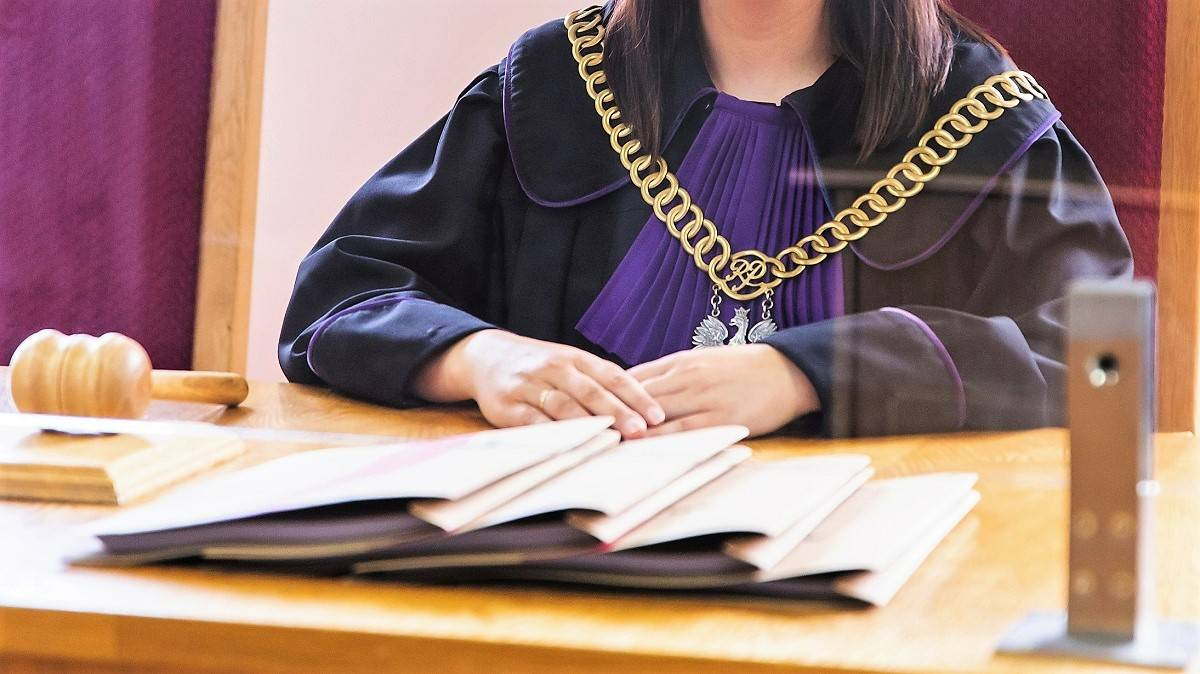
Polish courts would have to consider shared physical custody first when deciding where children should live after their parents separate, under a government bill submitted to parliament. The child’s best interests would determine the outcome, and time spent with each parent would not have to be equal.
By Adam Ujazdowski. Polish original published on 10 November 2026 at 22:18 UTC.
The cabinet approved the Justice Ministry’s proposed changes to Poland’s Family and Guardianship Code on 3 November 2026. The bill reached the Sejm, the lower house of parliament, on 5 November as parliamentary paper No. 3335 and was referred for a first reading on 6 November. It covers divorce, legal separation and parents who live apart but were never married.
Courts would assess the child’s views and the distance between homes
Polish courts already award arrangements in which children alternate between their parents’ homes. The bill would define this in the code as piecza współdzielona, or shared physical custody: day-to-day care provided alternately by two parents who both retain parental authority. The child would stay with each parent for recurring periods.
Courts would consider the child’s views, age and health, the distance between the parents’ homes and the previous division of care responsibilities. They would also assess whether the parents can cooperate on matters concerning the child.
If a court chose a different care arrangement while both parents retained parental authority, it would designate one parent’s current home as the child’s place of stay. The government intends this to limit unilateral changes to a child’s living arrangements that could hinder contact with the other parent.
Interim care and protection against domestic violence
The bill also provides for shared physical custody during court proceedings. A court would order it where both parents retain parental authority, unless it would be contrary to the child’s best interests or either parent did not agree to being entrusted with care.
When deciding parental authority and contact arrangements, courts would assess whether the child is safe and protected against domestic violence. The bill would also place a duty in the code to protect children’s privacy and their image. The Justice Ministry says this covers parents publishing photographs, recordings and information about their children online.
When the 800+ child benefit is split equally
Under the existing rules for Poland’s 800+ child benefit, each parent can receive PLN 400 for a full month where a court has ordered alternating care for comparable, recurring periods. The bill would retain the equal division of the benefit where care periods are comparable and introduce the term “shared physical custody” into the legislation governing 800+.
The proposal would also change how courts determine contributions to a child’s upkeep. In justified cases involving shared physical custody, a court could omit a specification in the divorce judgment of how much each parent must contribute to the child’s maintenance and upbringing. General child-maintenance obligations would continue to apply.
Contact cases would move to the court handling the divorce
If proceedings on parental authority or contact began before a petition for divorce or legal separation was filed, the district court would transfer the case to the regional court handling the divorce, insofar as it concerned the period from the filing of the petition. According to the Chancellery of the Prime Minister, such proceedings are currently suspended for that period until the divorce case ends.
The bill proposes that the new provisions take effect six months after the law is promulgated in the Dziennik Ustaw, Poland’s Journal of Laws.