
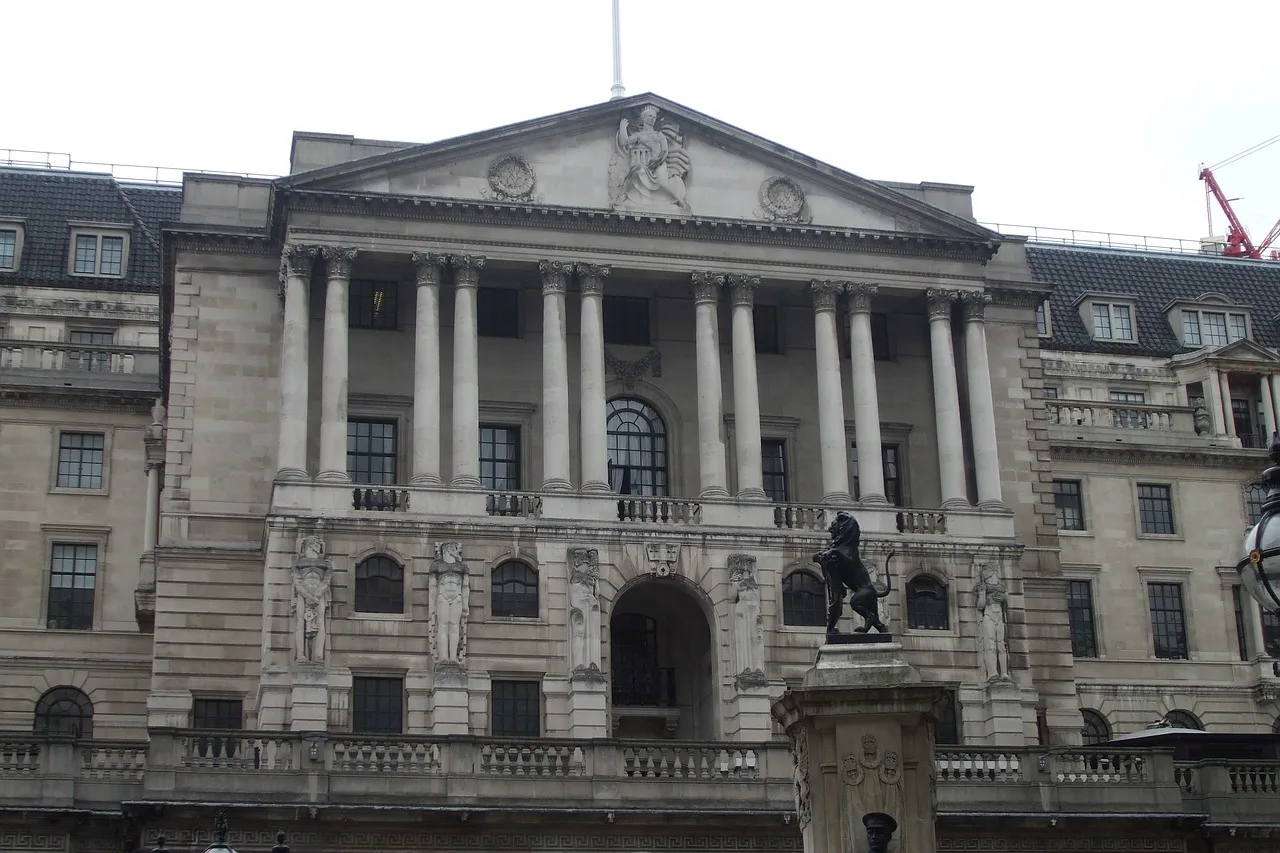
UK consumer price inflation rose to 3.6% in October 2026, its highest level in a year, as motor fuel prices increased 33.2% from a year earlier. The Bank of England has raised its benchmark interest rate to 4% and expects inflation to approach 5% in the second quarter of 2027, presenting further challenges for households and businesses.
Figures released by the Office for National Statistics (ONS) on 18 November showed annual consumer price inflation rising from 3.5% in September to 3.6% in October. The reading matched the forecast of economists surveyed by Reuters but was slightly below the Bank of England’s projection of 3.7%.
Consumer prices increased 0.5% month on month. Core inflation, which excludes energy, food, alcohol and tobacco, remained at 2.8% year on year.
Motor fuel prices rise more than 33%
Transport was the main driver of October’s increase in inflation. Prices in the category rose 7.5% from a year earlier, compared with 6.6% in September, with petrol and diesel accounting for much of the change.
According to the ONS, motor fuels were collectively 33.2% more expensive than in October 2025, accelerating from a 29.8% annual increase in September. That was the fastest rise since July 2022.
The average petrol price increased by 5.2 pence during October to 174.7 pence per litre, its highest since August 2022. Diesel prices rose even more sharply, climbing 7 pence to an average of 199.5 pence per litre, the highest reading in the series dating back to January 1996.
Higher fuel prices increase household expenditure and the operating costs of transport businesses. Rising oil prices can also push up delivery costs, although the extent to which they feed through into retail prices varies across industries.
Core inflation remains unchanged
Underlying price pressure was less pronounced elsewhere in the economy. Core inflation held at 2.8%, while services inflation was 3.7% year on year, broadly unchanged from September.
Goods price inflation increased from 3.2% to 3.5%. Meanwhile, annual inflation in restaurants and hotels eased from 3.8% to 3.4%, partly offsetting the upward effect of transport costs on the headline index.
The broader CPIH measure, which includes owner-occupiers’ housing costs, rose from 3.6% in September to 3.7% in October.
Bank of England raises interest rates to 4%
The inflation figures were published less than two weeks after the Bank of England increased its benchmark Bank Rate by 25 basis points from 3.75% to 4%, the first increase in three years.
Eight of the nine members of the Monetary Policy Committee voted for the quarter-point increase. The remaining member supported a larger rise of 50 basis points.
The central bank cited higher energy prices and the risk that firms would increasingly pass rising costs on to customers. In its November Monetary Policy Report, it said the earlier increases in petrol, gas and electricity prices had not yet led to a marked acceleration in wages or most services prices.
Persistently high commodity prices could nevertheless change that situation. Some companies are still benefiting from energy contracts agreed before the latest increases or from price hedges. As those arrangements expire, their energy bills could rise.
That creates the risk of faster inflation alongside weaker consumer spending. Higher interest rates also increase borrowing costs and the expense of financing business investment.
Inflation could approach 5% in 2027
The Bank of England’s November forecast envisages inflation reaching about 5% in the second quarter of 2027. Its central projection puts the average rate for that period at 4.9%.
The principal driver is higher energy prices, which are expected to feed gradually into household bills and the cost of producing goods and delivering services. The Bank also expects food price inflation to reach roughly 4.75% around the middle of 2027.
Its projections show inflation remaining above the 2% target throughout 2027 and the first half of 2028, with a return to target not expected until the third quarter of 2028.
Reuters reported that investors assessed the probability of another interest rate increase in December at around 90% after the October inflation release. The Bank of England’s next policy decision is scheduled for 17 December 2026.
Sources
Office for National Statistics, Consumer Price Inflation, UK: October 2026, 18 November 2026; Bank of England, Monetary Policy Report, November 2026 and Monetary Policy Summary and Minutes, 5 November 2026; Reuters, UK inflation rises to one-year high of 3.6%, 18 November 2026.
Original Polish article: CEO Magazyn Polska, 18 November 2026.