
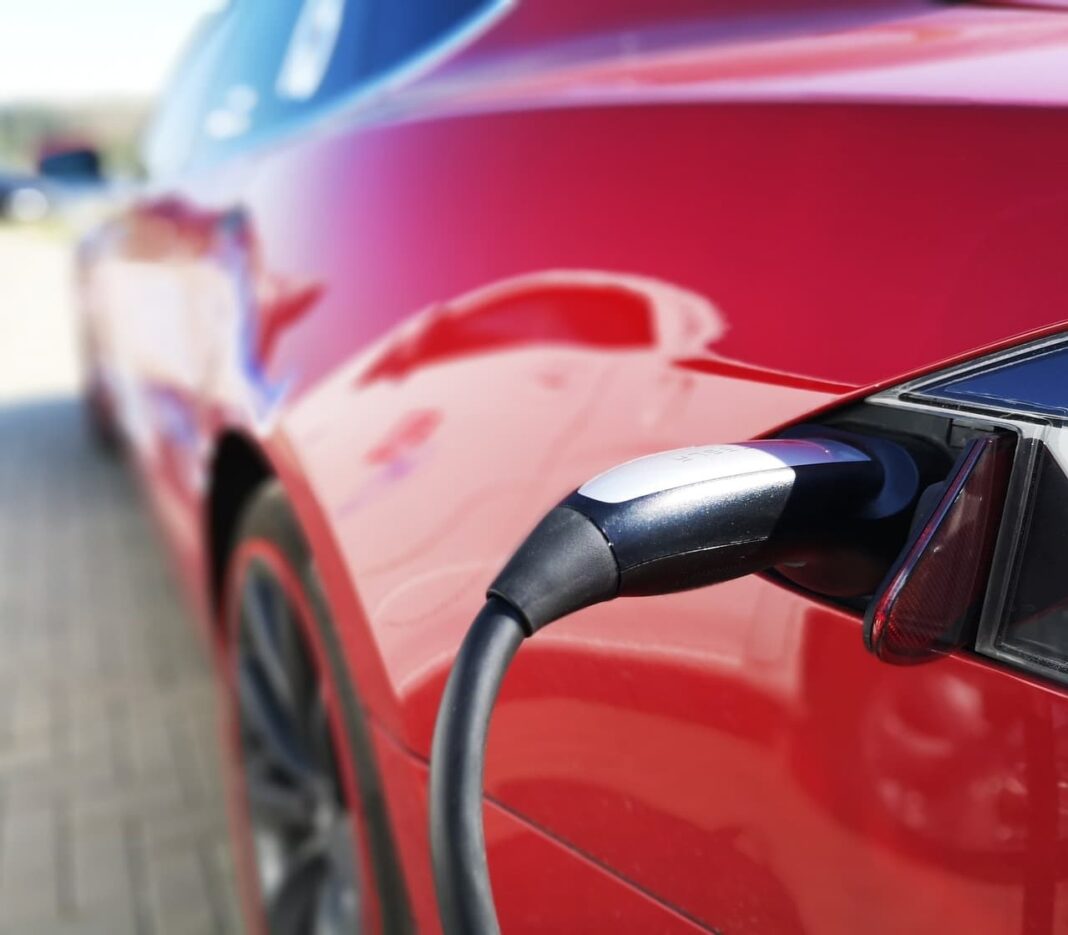


More than half (55%) of people planning to purchase a car are leaning towards an electric vehicle (EV). Rising costs of gasoline cars, primarily fuel, is the primary driver behind this trend. The shift away from remote work and learning is also contributing to the demand, according to the global report EY Mobility Consumer Index 2023.
Consumers are increasingly considering electric vehicles due to the surging oil prices, reduced costs of owning an EV, and environmental concerns. This finding emerges from the latest EY Mobility Consumer Index 2023 global report.
Over half of the survey respondents expect their next vehicle to be an electric variant: either fully electric (BEV), plug-in hybrid (PHEV), or hybrid. The rise in interest is especially prominent in the USA, Sweden, and Japan.
The growing interest is reflected in EV sales. In 2022, the global share of electric vehicles was 18%, up from 7% in 2020. Norway leads with almost 80% of EVs.
A majority of EV owners (85%) plan to purchase another alternative propulsion vehicle, compared to 52% of gasoline vehicle owners. Norway leads globally with 42% of respondents considering an electric vehicle purchase.
For the first time, rising fuel prices are recognized as the primary factor for EV purchase. Jarosław Wajer, EY Partner and Head of Energy in the CESA region, believes that a challenge for EV manufacturers will be to sustain buyer interest if fuel price trends change.
Reasons for Increased Interest in EVs
The key reason is the escalating costs, with 38% of respondents citing oil price hikes. Prior to this, fuel costs weren’t a consideration. Environmental concerns were the main reasons in 2021 and 2022 (49% and 38% respectively), but this fell to the second spot in 2023 (36%). Other reasons for the growing interest in 2023 include penalties and burdens related to gasoline vehicles (25%), increasing EV range (21%), and decreasing maintenance costs of alternative vehicles (21%).
Government regulations and incentives also play a role. The European Union has adopted a net-zero CO2 emission target by 2050. In the USA, the Inflation Reduction Act offers tax breaks up to $7,500 for EV purchases.
Another encouraging factor for EV adoption is the falling prices of lithium used in battery production and the price war between Tesla and BYD. Consequently, EVs are now more accessible to lower-income individuals. Still, 88% of consumers are willing to pay more for such a vehicle, up from 80% in 2022.
Expectations and Challenges
The biggest issue appears to be vehicle charging due to inadequate infrastructure, as stated by 31% of respondents. They prefer charging at home (64%), at work (42%), shopping centers (42%), or rest areas on highways (35%). The development of suitable charging infrastructure is crucial, especially in Poland, and requires cooperation between car manufacturers, energy firms, and policymakers, suggests Jarosław Wajer.
Almost half (46%) of global survey participants have difficulty finding public chargers, and 44% complain about queues due to inadequate charging stations.
Charging infrastructure limitations also relate to grid capacity. Increasing EV numbers put a strain on transformers, but it’s important to note that simultaneous charging of multiple vehicles can significantly impact the grid.
Charging methods have introduced new concerns for owners. Almost 48% are unsure about home charging safety. In the European Union, where electricity prices surged following the conflict in Ukraine, 44% view the cost of charging as a barrier.
Return to Offices and Schools – Transportation Modes
The EY survey confirms an increase in office-going employees. In 2023, those working remotely at least 3-4 days a week dropped by 7 percentage points (from 31% in 2022 to 24% in 2023). However, the return to offices and schools hasn’t boosted public transportation. On the contrary, private cars are the preferred choice for 73% of respondents, a 5% increase from the previous year.
Public transport usage has dropped (41% for work commutes), and so has the use of taxis (24%) and bikes/scooters (23%). Car rentals have also seen a decline.
Younger generations, particularly Millennials and Gen Z, are the most frequent users of intermodal transport, involving public transport, car-sharing, and cycling. Gen Z is the most adaptive, with 72% using intermodal transport at least once a week.
The survey also found Millennials to be the largest group considering a car purchase (57%), while only a third of Baby Boomers who already own cars intend to replace them. Among Gen Z, 40% are contemplating buying a car within the next two years, a 7% drop from 2022.
SUVs are the most popular, desired by 39% of respondents, primarily Millennials and Gen X (born between 1965-1980). Sedans are the second choice (32%), hatchbacks are preferred by 16%, and pick-ups by only 4%.
Car Rentals
With more people inclined to own a car, rented cars’ share has decreased, especially in Europe. Several factors contributed: high rental prices, limited availability (firms have yet to match pre-COVID-19 fleet sizes), inflation, soaring fuel prices, and economic challenges.
Micromobility
Due to safety concerns, micromobility hasn’t caught on universally. However, shared bikes and e-scooters are gaining popularity in large urban centers, especially among younger generations. Almost 23% of respondents in cities with over a million inhabitants use shared micromobility services at least once a week, while in smaller cities, it’s only 9%.
Micromobility services are a trend primarily in Europe, the USA, and some Asian countries. In Poland, over 25% of urban residents have used a shared bike or scooter at least once. The figure is 40% for Warsaw and reaches almost 50% for cities with a population exceeding one million.