
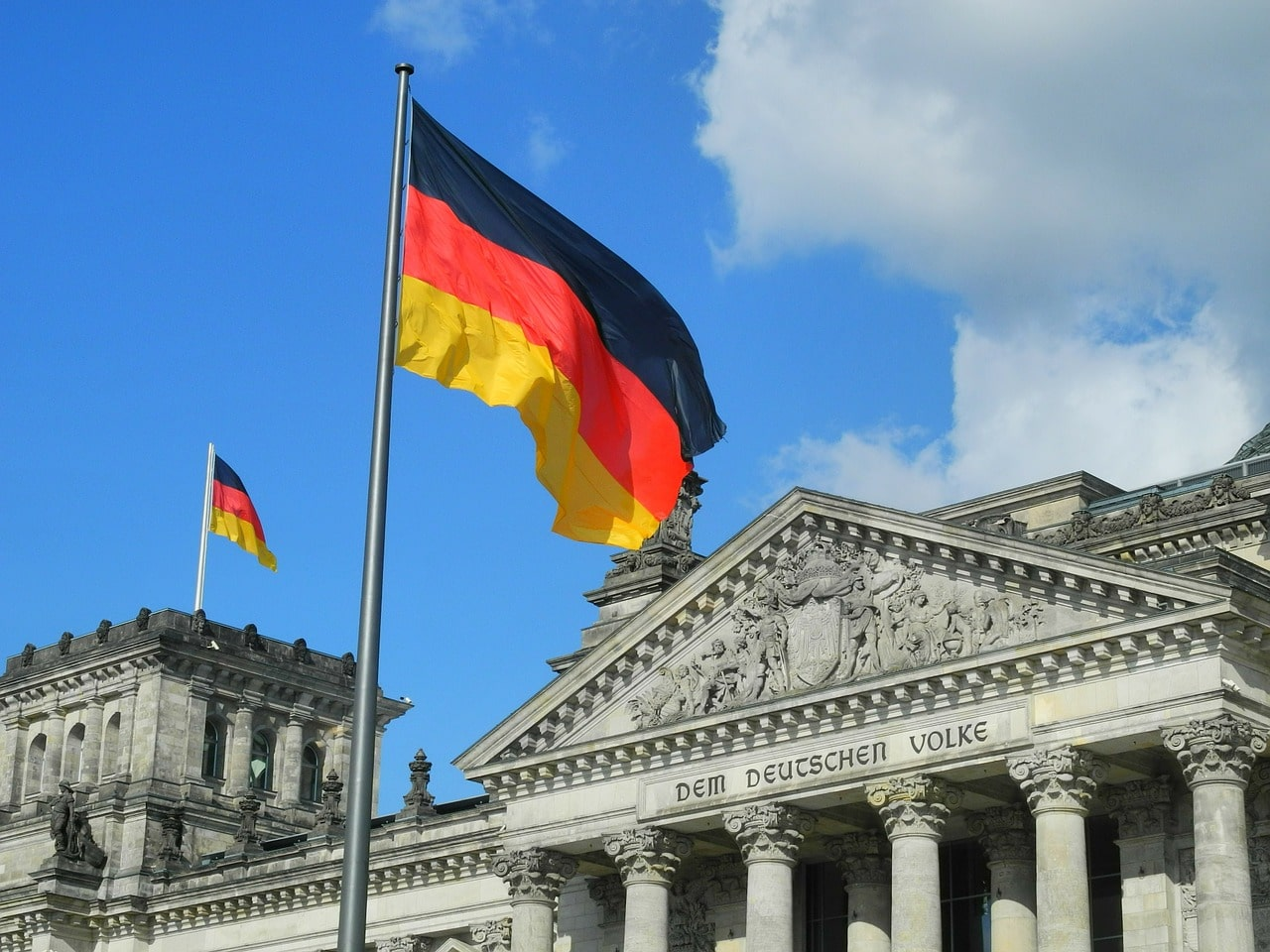
The budget committee of the Bundestag, Germany’s parliament, has approved a 2027 spending plan that would require €210.4 billion in new borrowing, including special funds—the country’s second-highest total since World War II. Core federal expenditure would reach €560.92 billion, but the budget still needs parliamentary approval.
By the Editorial Team. Polish original published on 13 November 2026 at 12:52 UTC.
The committee reached its decision early on 13 November after negotiations between the coalition’s CDU/CSU conservative bloc and the Social Democrats (SPD). The plan increases funding for infrastructure and defence while keeping social spending high. New borrowing would be just below the pandemic-era record of €215.4 billion set in 2021.
Federal spending to rise 6.9%
Core federal expenditure is set to increase from €524.54 billion in the 2026 budget plan to €560.92 billion in 2027, a rise of 6.9%. The committee added €5.48 billion to the government’s draft.
Investment spending is planned at €61.85 billion, €5.58 billion more than the government had proposed. The budget projects tax revenue of €396.21 billion and other revenue of €41.74 billion.
Net new borrowing within the core federal budget would reach €122.97 billion, up from €97.96 billion in the 2026 plan. Special funds would borrow additional amounts outside that budget.
Special funds to finance infrastructure and the armed forces
The Infrastructure and Climate Neutrality Fund is set to borrow €57.8 billion, while the special fund for the Bundeswehr, Germany’s armed forces, would borrow €29.6 billion. Together with borrowing under the core budget, this takes the total above €210 billion.
These funds allow additional spending on modernising infrastructure and the armed forces to be financed outside the core federal budget.
Labour and social affairs receive more than €203 billion
The Federal Ministry of Labour and Social Affairs retains the largest allocation, at €203.29 billion for 2027. That is €1.82 billion more than in the government’s draft.
The committee increased a multiyear loan to the Federal Employment Agency by €3 billion to €8.2 billion. At the same time, it reduced some allocations for basic welfare benefits and subsidies to the statutory pension system.
The defence ministry’s budget remains at €109.75 billion, unchanged from the government’s proposal.
Plastic packaging tax dropped and drinks levy postponed
The coalition agreement also revises earlier tax plans. A proposed tax on plastic packaging has been dropped, while the introduction of a tax on sweetened drinks has been postponed until 2028.
A planned cut in electricity tax has also been delayed. The coalition has additionally abandoned proposed reductions in benefits for children from low-income families.
Sources: Deutscher Bundestag, “Final budget deliberations: Committee approves the 2027 federal budget”, 13 November 2026; Reuters, “Germany set for near-record new borrowing in 2027 after difficult budget deal” and “Main points in the German budget”, 13 November 2026.