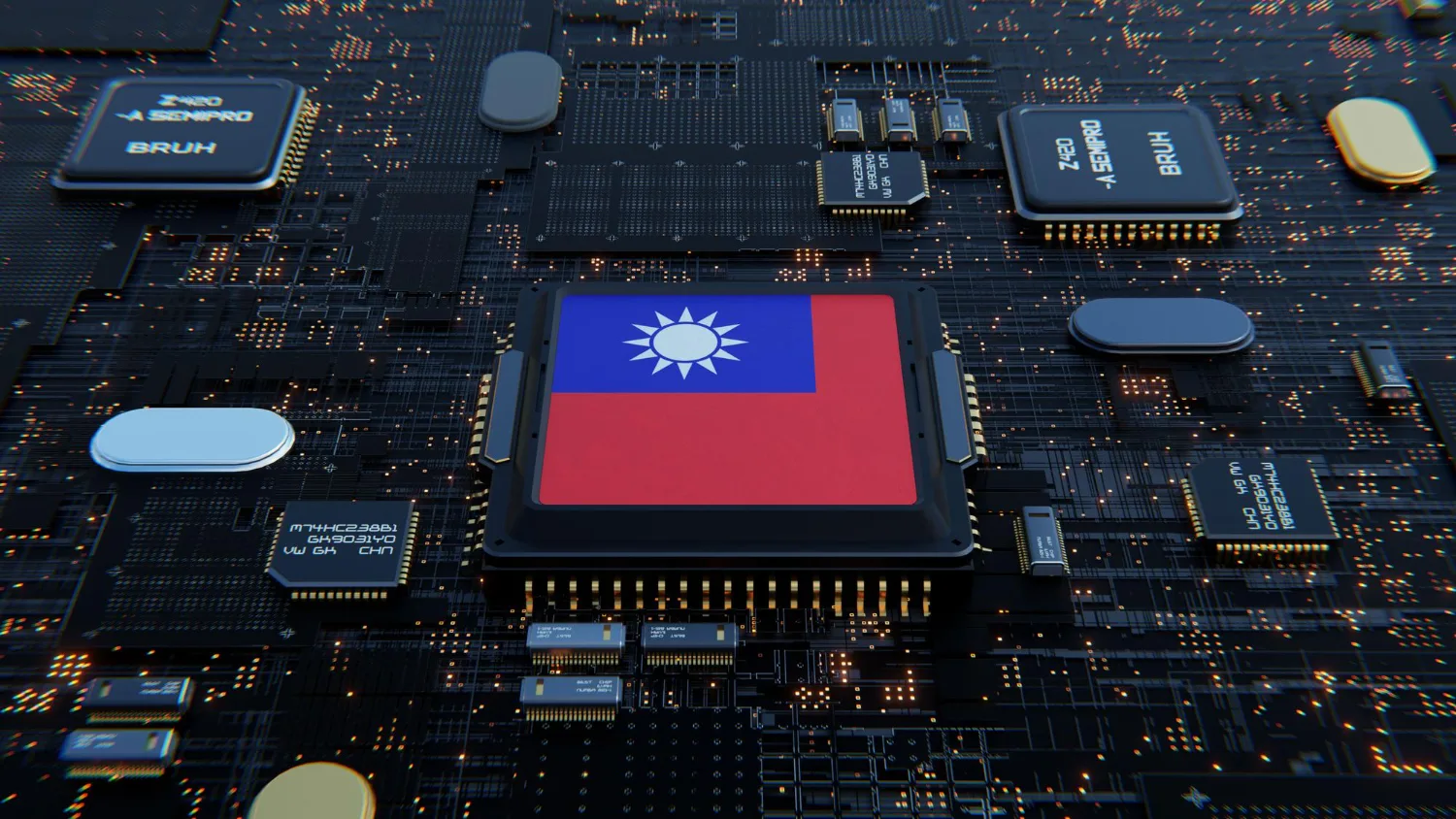
More than 7.4 million voters backed a change to Taiwan’s nuclear phase-out policy in a referendum on 28 November, opening the way for a possible restart of reactors. The vote comes as semiconductor production drives electricity demand, which the government expects to rise by nearly 28% by 2035.
By the editorial team. Originally published in Polish on 28 November 2026 at 16:28 UTC. Read the Polish original.
Preliminary Central Election Commission (CEC) figures reported by the Central News Agency (CNA), with more than 99% of votes counted, showed 7,429,306 votes in favour of changing energy policy and 4,554,665 against. Supporters accounted for about 62% of votes cast for or against the proposal.
Approval required both a majority of valid votes and support from at least a quarter of all eligible voters. With 20,003,835 people eligible to vote, the threshold was 5,000,959 affirmative votes; both conditions were met. Official results are due to be announced on 4 December.
Taiwan’s government said it would respect the referendum result. Any return to nuclear power would depend on reactor safety, a solution for radioactive waste and public acceptance.
Taiwan shut its last reactor in May 2025
The referendum was the latest in a series of nationwide votes on nuclear energy. The Democratic Progressive Party (DPP), which returned to power in 2016, pursued a policy of phasing out nuclear generation.
In a 2018 referendum, voters backed removing a provision in the Electricity Act requiring nuclear generation to end by 2025. The government nevertheless continued with its phase-out policy.
The last operating reactor at the Maanshan plant shut down on 17 May 2025. A referendum that August proposed continued use of the plant, subject to confirmation of its safety. It received 4.34 million votes in favour and 1.51 million against but failed to reach the required approval threshold.
The November referendum had a broader scope. It addressed overall energy policy rather than the future of a single power plant.
Imports meet more than 94% of energy needs
Taiwan’s limited domestic fuel resources leave it heavily dependent on overseas supplies. Imports met more than 94% of its energy needs in 2024, according to the US Energy Information Administration (EIA).
Natural gas increased its share of electricity generation from 38% in 2021 to 43% in 2024, while nuclear power’s share fell from 10% to about 4%. Coal declined from 43% to 40%, and renewables excluding hydropower rose from about 5% to 10%.
38%
43%
43%
40%
10%
4%
5%
10%
Taiwan had 66.7 GW of installed generating capacity in 2024, according to the EIA. A growing reliance on gas-fired generation increases the power system’s exposure to liquefied natural gas (LNG) prices and the continuity of seaborne supplies. Nuclear power could reduce demand for some imported fossil fuels, although it also requires imported fuel.
Chip production drives electricity demand
Taiwan’s Ministry of Economic Affairs forecasts average annual electricity demand growth of about 2.5% in 2026–2035. Its projections factor in semiconductor factory expansion, the development of data centres and growing use of artificial intelligence. National demand is expected to rise from 283 TWh in 2025 to 328.7 TWh in 2030 and 362.1 TWh in 2035.
The semiconductor industry used more than 4.5 TWh of electricity in September 2026, up 11.55% from a year earlier, according to the Taiwan Research Institute. The institute estimates that chipmakers will consume more than 50 TWh over the whole of 2026, equivalent to more than 17% of projected national demand.
TSMC reported total energy consumption of 30.99 TWh in 2025, of which 92.8% was purchased electricity. Those figures also cover the company’s operations outside Taiwan.
Advanced chip production requires continuous power for process equipment, ventilation, cooling and cleanrooms. Power interruptions can disrupt multistage manufacturing processes and cause material losses.
Maanshan and Kuosheng face further safety checks
Preparations for possible reactor restarts began before the referendum. In May 2025, parliament amended the law to allow 20-year extensions to nuclear plant operating licences beyond the previous 40-year term.
Taipower submitted licence renewal documents for Maanshan in March 2026. The operator also signed an agreement with Westinghouse Electric Company to carry out safety assessments.
Taiwan’s nuclear regulator has completed a preliminary review of the Maanshan restart plan. The operator must still conduct further checks, including assessments of equipment ageing, seismic safety and radiation protection. The regulator will review the results.
Preparations for a possible restart at Kuosheng are less advanced. Taipower has sought technical support from General Electric, but the relevant inspections depend on completion of dry-storage infrastructure for spent nuclear fuel and removal of fuel from the reactor core.
Supply security, waste and the cost of restarting
Supporters of nuclear power argue that it could diversify energy sources, reduce dependence on imported LNG and provide stable supplies for the expanding technology industry. With gas and coal accounting for a large share of generation, a nuclear restart could also help reduce the carbon intensity of electricity production.
Opponents, including the Green Citizens’ Action Alliance, point to reactor age, seismic risks and the unresolved issue of long-term radioactive waste storage. They question how quickly nuclear generation could resume and whether the cost of upgrading older plants is justified.
A government report on electricity supply and demand says Taiwan’s total electricity consumption fell by about 0.3% in 2025. The operating reserve margin exceeded 10% on 342 days of the year.
The Ministry of Economic Affairs forecasts that evening peak demand will rise from 36.9 GW in 2025 to 38.8 GW in 2026, with average annual growth of 2.7% through 2035.
Sources
- CEC — referendum results
- CEC — documentation
- CEC — eligible voters
- CNA — results
- CNA — reporting
- EIA — Taiwan
- Ministry of Economic Affairs — electricity supply and demand
- Ministry of Economic Affairs — reactor restarts
- World Nuclear News
- TSMC — report
- CNA / Taiwan Research Institute
- Green Citizens’ Action Alliance