
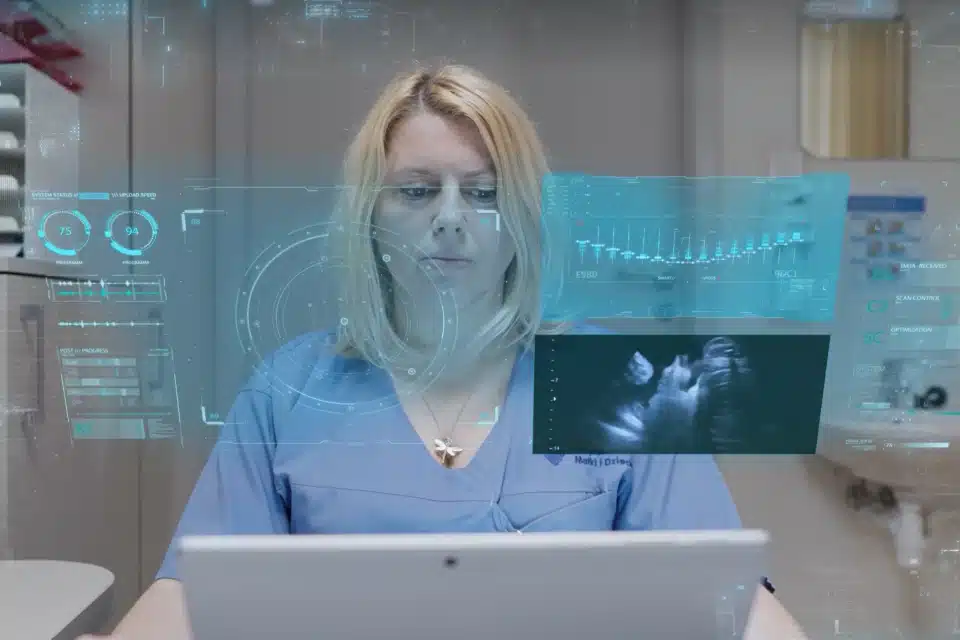


The sectors comprising the life sciences industry, such as biotechnology, pharmaceutical and medical, are currently areas of intensive innovation. Examples of digitization and modernization include precision medicine, digital health care, and solutions based on generative artificial intelligence. In the context of these groundbreaking changes, there are challenges related to logistics and cybersecurity, which require thoughtful operational strategies. Companies, while trying to maintain the pace of innovation, must also focus on ensuring safety and transparency to support the complex patient care system.
Thanks to advanced technologies and innovative approaches, the life sciences sector has made significant achievements revolutionizing the healthcare field. The development of modern biotechnological therapies, discoveries in genetics and the application of precise diagnostic tools, allow for a personalized approach to treatment and diagnosis of diseases. Individualized therapies tailored to the unique needs of the patient, open new perspectives in combating diseases that did not have effective methods until recently. Precision medicine has become a reality, and the research branch of natural sciences must combine forces with organizations responsible for patient care. The value of the global precision medicine market in 2023 is estimated at $95 billion USD, and the available forecasts indicate that its value will exceed $157 billion USD by 2027.
The life sciences industry is currently digitizing health care at a dynamic rate. Projections indicate that by 2029, the value of the global digital health market will reach $4.5 trillion USD. Thanks to easily accessible information about their health status in applications, patients can actively participate in the treatment process. Growing expectations are also evident from service providers. They are increasingly striving to provide convenient access to information, analyses and tools enabling effective contact with the patient. Life sciences companies invest and form partnerships in the field of digital health providing innovative solutions that improve the quality of care and customer satisfaction. Ensuring a positive user experience requires considering the needs of every interested party and delivering appropriate products, services and information in an understandable and balanced way.
In Poland, similar to other countries, the healthcare and life sciences industry is experiencing dynamic changes, which are part of the general trend of digitization. An example is the growing popularity of remote consultations, which allow patients to contact a doctor without the need to physically go to a medical facility. Also, there are developing solutions that provide patients access to their medical histories, test results and prescriptions online.
Thanks to artificial intelligence and machine learning, companies are able to connect with potential clinical trial participants worldwide, reduce costs, accelerate the introduction of therapies to the market, and shorten the return time on investment in new drugs. Appropriate partnerships between life sciences sector companies and technology companies can give organizations a leading role in their sector and reach new patients. To fully harness the potential of tools based on generative artificial intelligence, effective data management and business model adaptation are necessary. Transformation should concern not only algorithms but all operational processes and employee skills.
The COVID-19 pandemic has revealed how vulnerable the pharmaceutical industry is to disruptions in supply chains. The end of the epidemic threat lessened the issues with drug availability, but this may be only an illusion of safety. Many drug manufacturers rely on the products of the same suppliers, which in the event of disruption, may pose a challenge in finding alternative solutions. Additionally, there are many difficulties with supply chain transparency and precise tracking of suppliers, offering opportunities to introduce counterfeit drugs into the market. The danger also spreads to cyberspace. Patient data has become an attractive target for cybercriminals who can sell it on the black market. The price for medical records on the black market is about $250 USD. Technological progress and digitization of processes create new possibilities for hacker attacks, and estimates suggest that the average impact of a security breach on a life sciences organization exceeds $7 million USD. The challenge is exacerbated by the fact that pharmaceutical companies routinely collaborate with smaller, often foreign suppliers with varying levels of cybersecurity development. A cyber-space breach of one supplier can easily spread to the target company, creating a potential risk of attack. The pharmaceutical industry must confront this threat, while striving to raise security standards in the new, dynamic reality.