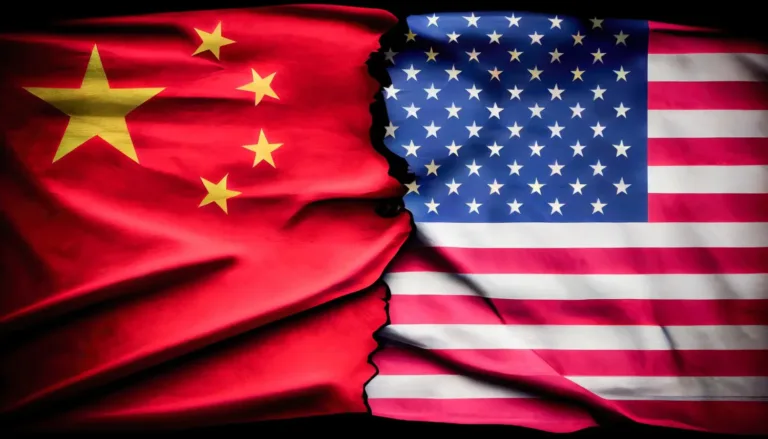
China and the Association of Southeast Asian Nations have failed to agree rules intended to reduce the risk of incidents in the South China Sea. Negotiators have provisionally accepted about 80% of the future agreement, but key issues—including whether it will be legally binding—remain unresolved, Philippine Foreign Secretary Ma. Theresa Lazaro said on 15 November.
By the editorial team. Polish original, published 15 November 2026.
Manila had sought to complete more than two decades of negotiations during its ASEAN chairmanship this year. Singapore, which will chair the bloc in 2027, will now take over the process. No new deadline for an agreement has been announced.
Legal force of the rules remains disputed
The planned document, known as a code of conduct, is intended to regulate the parties’ behaviour in the contested waters.
Agreement on most of the draft does not resolve the provisions that will determine how effective the code is. One of the main questions is whether the rules will create binding legal obligations or remain a political declaration. Lazaro also pointed to differing assessments of the situation at sea.
The parties have agreed how the future code will relate to the declaration adopted by China and ASEAN in 2002. The new document is intended to develop those principles, according to the Philippine News Agency.
It would also allow voluntary maritime cooperation consistent with the United Nations Convention on the Law of the Sea, or UNCLOS.
Negotiations seek to reduce risks to shipping
For maritime trade, the agreement’s main purpose is to lower the risk of escalation. Common rules are intended to help prevent incidents and manage them before they lead to a more serious confrontation.
ASEAN foreign ministers highlighted those objectives in a January statement, calling for the protection of freedom of navigation, lower tensions and a reduced risk of accidents or miscalculation.
The extended negotiations mean the parties still do not have the mechanism they have been discussing for years. There is no evidence, however, that the delay itself has caused new shipping blockages or higher transport costs.
Dispute also covers fishing grounds and natural resources
China’s claims partly overlap the exclusive economic zones of Brunei, Indonesia, Malaysia, the Philippines and Vietnam. The dispute therefore also concerns access to fishing grounds and natural resources.
In July 2016, an arbitral tribunal established under UNCLOS ruled that China had no basis for claiming historic rights to resources within the so-called nine-dash line beyond the entitlements provided by the convention.
The award did not decide sovereignty over islands or delimit national boundaries.
China does not recognise the ruling. In a statement on 12 July 2026, its foreign ministry again maintained the country’s territorial and maritime claims. Beijing called for negotiations with the directly affected states while arguing that freedom of navigation in the area was not under threat.
Sources
Reuters, 15 November 2026; Philippine News Agency, 15 November 2026; ASEAN foreign ministers’ statement, 29 January 2026; Permanent Court of Arbitration statement, 12 July 2016; Ministry of Foreign Affairs of China statement, 12 July 2026.