Jensen Huang’s abrupt departure from NVIDIA could make financing harder to secure for smaller companies investing in artificial intelligence, warns Dr Mateusz Dadej, Coface’s Chief Economist for Poland and Central and Eastern Europe. He says uncertainty surrounding the chipmaker may prompt investors to scrutinise project returns more closely, putting suppliers’ cash flow under pressure and increasing insolvency risks.
By Dr Mateusz Dadej, Chief Economist at Coface for Poland and Central and Eastern Europe. Polish original published on 14 November 2026 at 09:07 UTC.
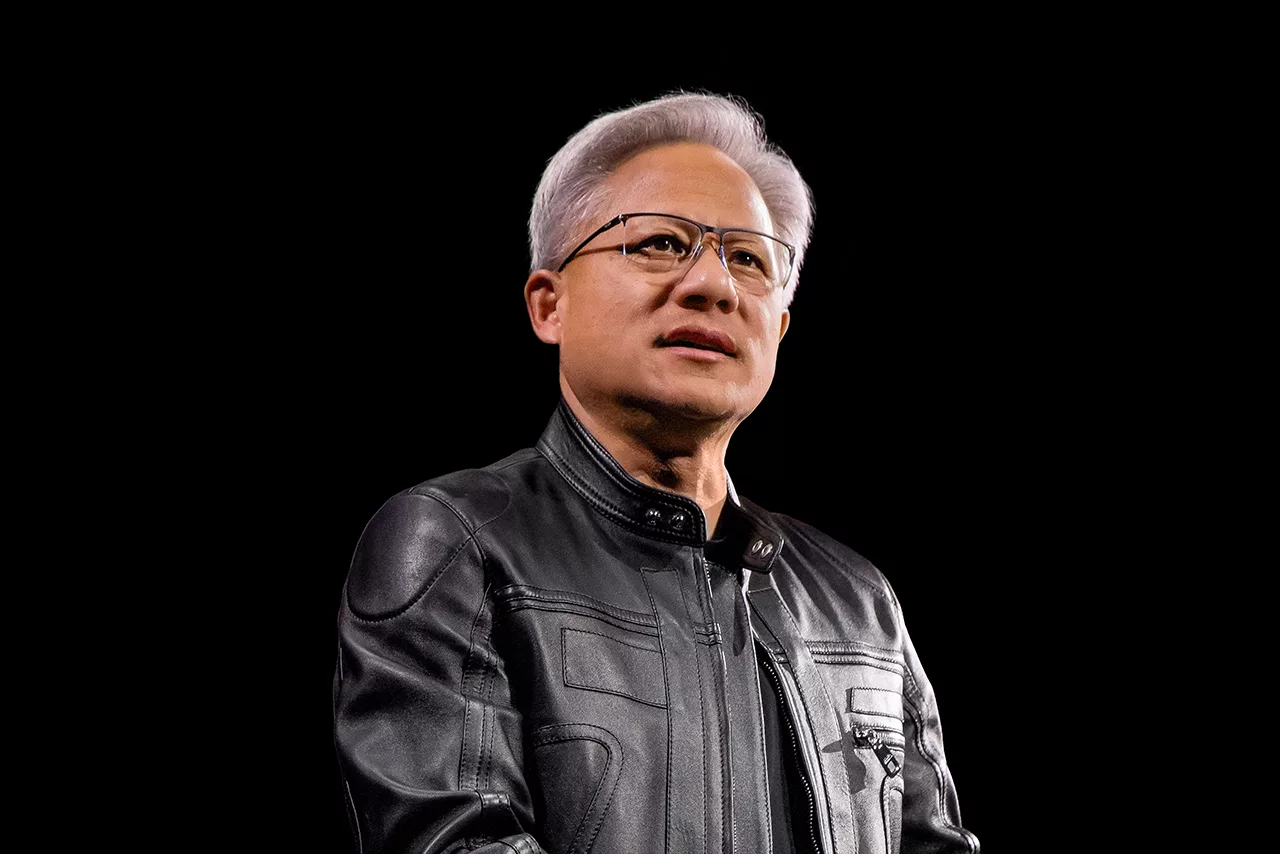
On 12 November 2026, NVIDIA announced Huang’s resignation as president, chief executive and a member of its board. Chief Financial Officer Colette Kress took over as interim CEO. The board began searching for a successor to Huang, who had led the company since its founding in 1993.
AI investment faces scrutiny over returns
The economic consequences could extend well beyond a decline in NVIDIA’s stock market value. The crisis at the US chipmaker comes as the AI sector commits billions of dollars to investment projects. Uncertainty over NVIDIA’s future could lead investors to take a more cautious view of whether those projects will generate adequate returns.
Building AI infrastructure requires substantial upfront spending, while the time needed to recoup that investment remains uncertain. If investors become more reluctant to finance new projects, smaller businesses that rely on borrowing or further funding rounds could be particularly exposed.
Record AI demand does not eliminate insolvency risk
The leadership change comes amid vast investment in AI infrastructure across the technology sector. In Poland alone, planned data centres represent billions of zlotys in investment and are expected to employ hundreds of people. Such spending does not guarantee that every company involved will earn an adequate return.
Dadej explains how a growing market can coexist with worsening corporate finances:
“One of the most common mistakes when assessing the economic outlook for an industry is to equate market growth with an improvement in the financial health of every business operating in it. In practice, the two do not always go hand in hand. Sales can grow rapidly even as some companies’ liquidity deteriorates.
“This mechanism is particularly important in artificial intelligence. Infrastructure development requires enormous amounts of capital, while the payback period remains uncertain. Companies have to fund equipment purchases, energy, data centre construction and infrastructure maintenance before generating enough revenue to cover that spending.
“If uncertainty surrounding NVIDIA leads investors to assess the profitability of AI projects more cautiously, financing could become harder to obtain. The largest companies have substantial capital resources. Smaller suppliers that borrow to fund growth or depend on further investment rounds are in a different position.
“When assessing insolvency risk, we should monitor not only any reduction in new investment, but above all its consequences for companies’ cash flow. Project delays can lead to longer payment terms, rising debt and weaker finances among businesses further along the supply chain.
“That is why questions about investment returns, financing structures and companies’ ability to meet their obligations may prove more important in analysing the AI sector than revenue growth forecasts alone.”