Generational differences in businesses are one of the biggest challenges today. HR professionals address anticipating and reconciling the diverse expectations of employees from different age groups.
Older employees are the guarantee of knowledge and invaluable experience, while the young can always introduce a new, fresh perspective and ideas that allow the company to adapt to the changing times. Each of these groups has slightly different needs and expectations from their employers, which must be met if the company aims to retain staff and reduce employee turnover.
Differing attitudes towards new technologies, different career development visions, and various lifestyle ideas are just a few of the issues considered by today’s employers who embrace diversity. Experts believe this is the only path to success and keeping talents within the company.
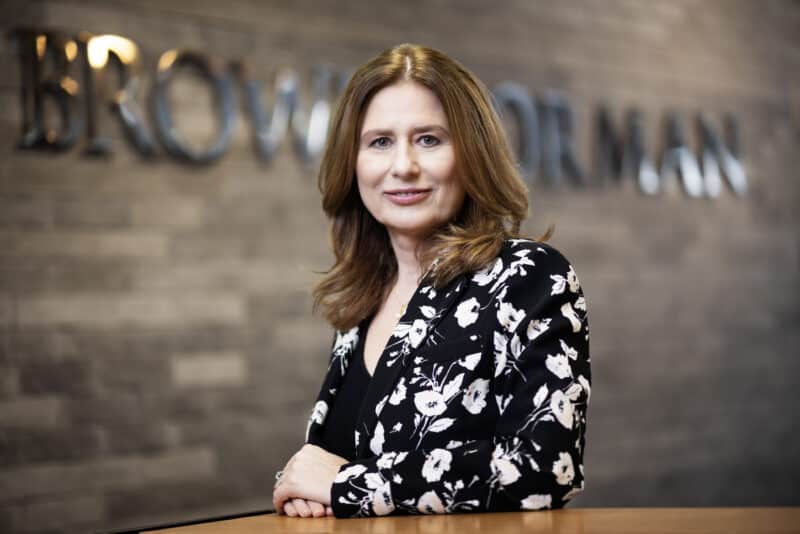
Employee diversity reflects the diversity of our society, customers, consumers, and the world in which we live. We promote an integrating work environment based on mutual respect, trust, open communication, and collaboration, where we can learn a lot from each other. Employers employing various generations must be open to inclusion issues, creating equal opportunities for development and promotion, and close cooperation with employees having different expectations about flexibility and work-life balance, as it enriches the work environment – emphasizes Dorota Pałysiewicz, HR expert and director at Brown-Forman Poland.
In the job market, we can currently encounter four generations – baby boomers (55-73 years old according to the Center for Generational Kinectics definition), Generation X (43-54 years old), Generation Y (24-42 years old), and the youngest, Generation Z (15-23 years old). They all differ in views, ideals, approach to duties, and employment stability. It is therefore crucial to understand the needs of each of them.
Greater generation diversification among employees brings increasingly more challenges for employers. Hence, the concept of diversity management is gaining momentum. This phenomenon is particularly popular in Western Europe and the United States, and in Poland, it is relatively new.
“Today, acceptance of diversity is more important for employees than ever, and an inclusive work environment is becoming a standard. This could determine the success of the company in the longer term. Being aware of what matters to our employees allows us to focus on initiatives utilizing the potential that diversity brings, creating additional value for our employees, brands, business, and the communities we are part of” – emphasizes Dorota Pałysiewicz, HR director at Brown-Forman Poland.
Data from the Responsible Business Forum indicates that Polish diversity, equality, and inclusion management practices are still in their infancy. Only a third of companies in Poland consciously engage in diversity management actions, and only a few percent have a formally developed DEI strategy document.
Foreign corporation active in Poland set an example. – “Diversity and inclusion are deeply rooted in our company’s values. We want employees to be sure that they can make a difference and cultivate the best version of themselves in their daily work, regardless of which generation they represent. In recent years, the emphasis on quick adaptability to change, mental health, and stress coping skills has become particularly important, hence the popularity of various solutions providing employees with an empathic, safe environment for conversation, and information and tools in this regard” – believes Dorota Pałysiewicz, representing Brown-Forman – an American company in the alcohol distribution industry.