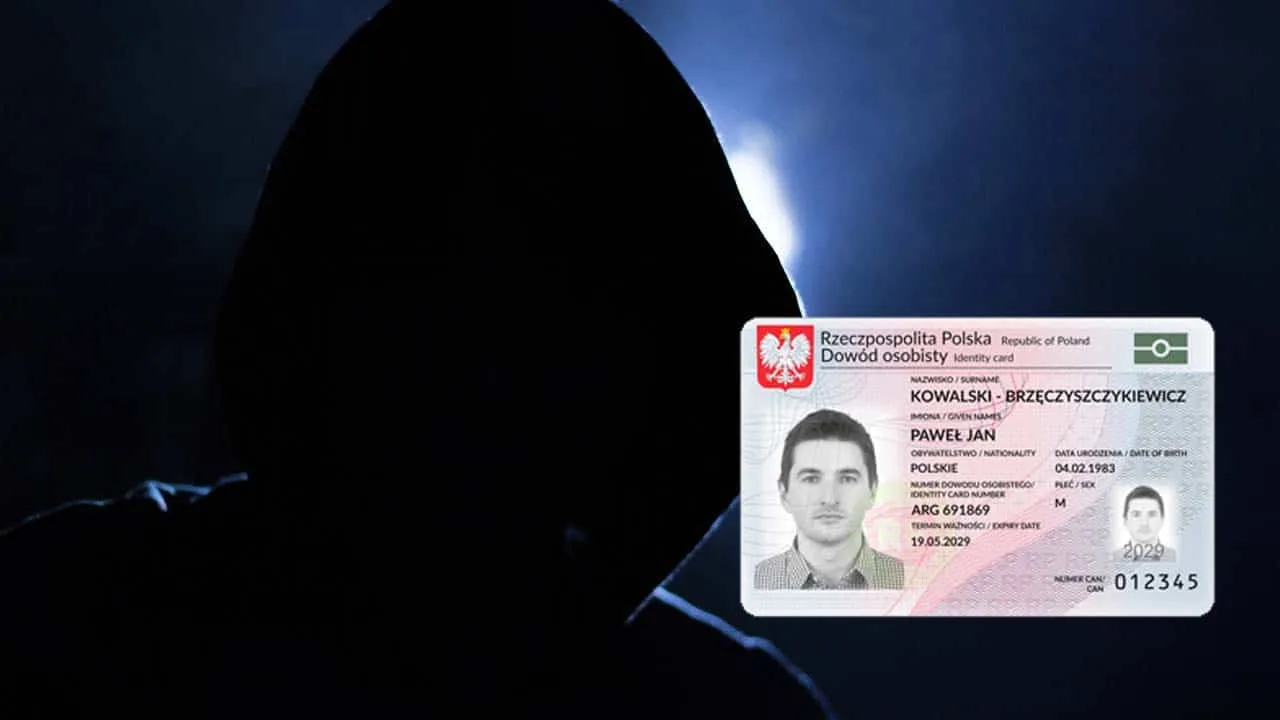
Poland’s healthcare sector has once again been targeted by cybercriminals. Following the recent incident involving MyDr, SPZOZ Warszawa-Ursynów has now fallen victim to a ransomware attack. The attack affected the facility’s mail server, which contained patient data. SPZOZ cannot rule out that some of the information may have been copied. Potentially affected data include PESEL identification numbers, contact details, test results, referrals and other information concerning patients’ health.
For patients, however, the consequences may only begin after the attack itself has been contained. Genuine health information can be used to prepare the next stage of a scam — phishing, fraudulent phone calls or impersonation of a clinic, doctor, Poland’s National Health Fund (NFZ) or a bank.
“Health information combined with a PESEL number, email address or phone number can be used to prepare a highly convincing scam. If a criminal contacts a patient and refers to genuine details about their treatment, a medical examination or the facility they attended, the credibility of that contact rises significantly. This can open the way to attempts at identity theft, financial fraud, theft of online-banking credentials or persuading the victim to click a malicious link,” said Kamil Sadkowski, cyber-threat analyst at ESET.
Medical data are particularly valuable to criminals because most of them cannot be changed after a breach. A password can be replaced and a payment card can be blocked, but information about past illnesses, medical tests or treatment remains true and can continue to be used to make scams more credible long after the original incident.