

The situation of companies carrying out infrastructure investments in the railway sector has been very difficult for about two years now. One of the major problems is the sharp increase in costs, triggered by the war in Ukraine, and the lack of contract valorization already being carried out on behalf of PKP PLK. The railway construction sector has not yet received a comprehensive solution to the problem. The process of signing amendments in railway contracts concluded before the start of the war started much later than in the case of road investments, and the amendments include a valorization at the level of 10 percent. The market has been signaling from the start that this is too little, as the real cost increase reaches several tens of percent.
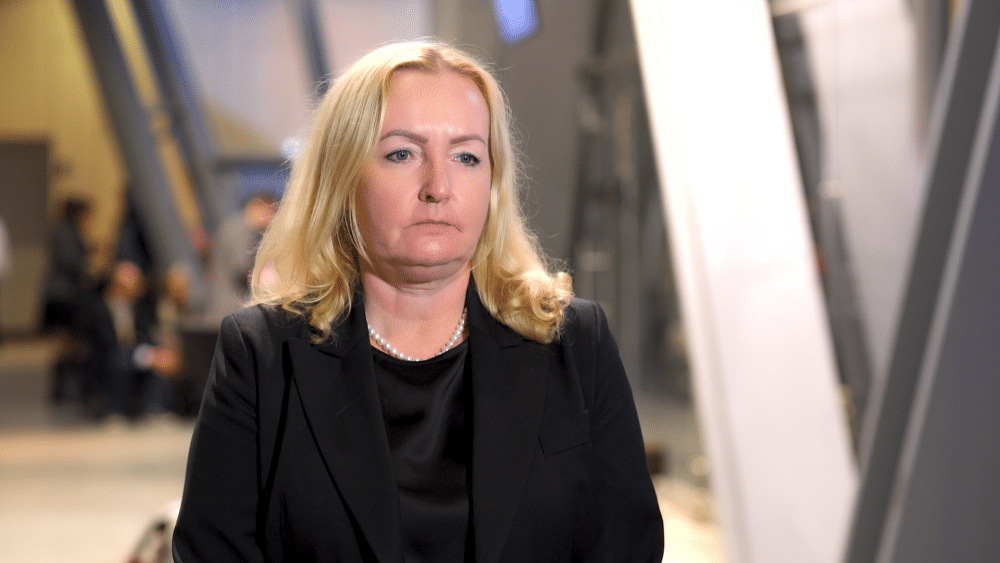
“The most painful during the implementation of railway contracts is the cost of materials, because we have experienced two serious shocks in the industry. The first one was the COVID-19 pandemic, and the second one was the war in Ukraine – and this increase in material costs here is key. The second issue that companies are struggling with is also the increase in labor costs, energy, fuels. The problem at the moment is the lack of financial resources for the valorization of railway contracts,” said Marita Szustak, President of the Board of the Land Transport Chamber of Commerce to Newseria Biznes agency.
Fuel, energy, key resources, materials, and labor costs are significantly higher than before the outbreak of the war in Ukraine, causing financial problems for construction companies for over a year and a half. Therefore, the industry is appealing to the government to secure additional funds as soon as possible, which would allow signing amendments reflecting the real cost increases. As she points out, their lack may threaten not to complete a number of railway projects, which in turn poses a direct threat to the settlement of European funds engaged in their implementation. It can also significantly impact the condition of companies that will be forced to reduce employment or declare bankruptcy. This, in turn, poses a risk of not realizing ambitious railway investments in the coming years, related to the construction of the Central Communication Port.
“Contract valorization is a very difficult topic for the railway industry. The government has allocated over PLN 5 billion for road contract valorization and the road sector is already signing further amendments exceeding this valorization limit by 10 percent. Meanwhile, PLN 200 million has been allocated for the railway, and we don’t hear that this amount has increased,” says Marita Szustak.
Despite multiple government assurances about the rapid conduct of all contracts affected by cost increases as a result of Russian aggression in Ukraine, the railway construction sector has not yet received a comprehensive solution to the problem. The process of signing amendments in contracts concluded before the start of the war started much later than in the case of road investments, and the amendments include 10 percent valorization. The market has been signaling from the start that this is too little.
“I also know that valorization amendments have a slight imbalance of the parties, so many companies refuse to sign them. The biggest problem, of course, are contracts from 2016-2017, where there is no valorization basket, and this problem has not yet been addressed by the ordering party, PKP Polish Railway Lines,” says the President of IGTL.
Four major industry organizations (Land Transport Chamber of Commerce, Polish Employers’ Union of Construction, National Chamber of Commerce of Road Construction, and the Railway Business Forum) at the beginning of August this year appealed to the Minister of Infrastructure to raise the contract valorization limit as soon as possible for contracts implemented by GDDKiA and PKP Polish Railway Lines.
The organizations pointed out that the current 10 percent limit is not in line with the actual cost increase in contracts concluded before the Russian aggression in Ukraine. Real increases reach several tens of percent. The authors of the appeal also emphasized that in relation to railway investments, the shape of the valorization basket has not been developed, which would take into account their multi-industry specificity, which requires considering, among others, the prices of railway traffic control systems or various types of electrical installations.
“Among the clients, we have two extreme positions. GDDKiA maintains a constant dialogue with the market because the road industry first received PLN 2.6 billion, and recently additional funds and they now amount to almost PLN 5 billion. However, in the case of the second ordering party, PKP PLK, at the source of this problem lies the lack of financial resources,” says Marita Szustak. “Unfortunately, these contracts, where there is no basket valorization, usually have only judicial or arbitral solutions. From what I know, about 30 valorization amendments are being prepared or signed on several contracts, but there is no systemic solution in the railway sector.”
The railway construction sector also calls for the introduction of stable financing mechanisms for railway investments. Today, this area is heavily dependent on the inflow of EU funds, so any delay or shift of funds causes market disturbances associated with either a lack or accumulation of projects at the same time.
“We are facing a big challenge, because for two years there have been a lack of tenders in the industry, so the situation of companies is difficult. Especially small, medium and undiversified companies,” says the President of the Board of the Land Transport Chamber of Commerce. “We now have a great tender offensive, we only have a problem with their resolution, because there is a lack of financing. As an industry, we are not afraid of these challenges and I think we will successfully cope with them. We will certainly need advance information when these tenders will appear, what tenders they will be, so that the industry can prepare with the executing potential, but also give a chance to producers to prepare for it.”