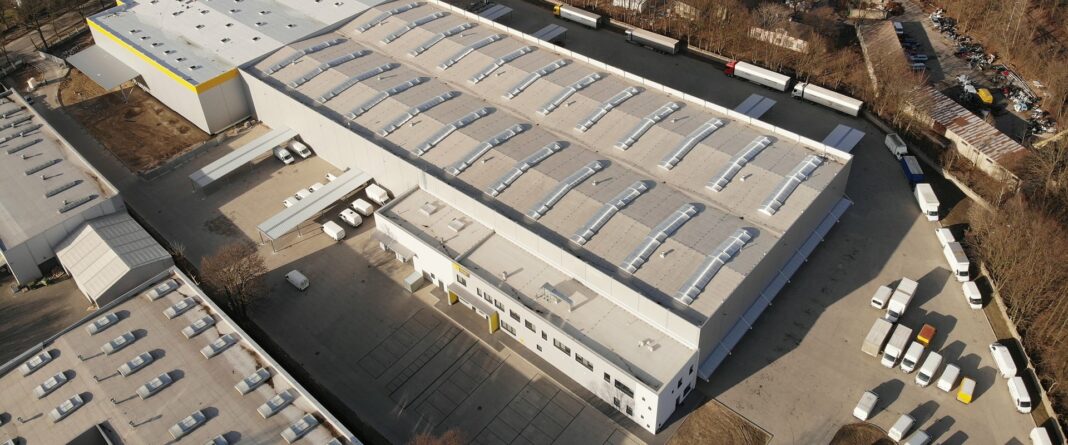
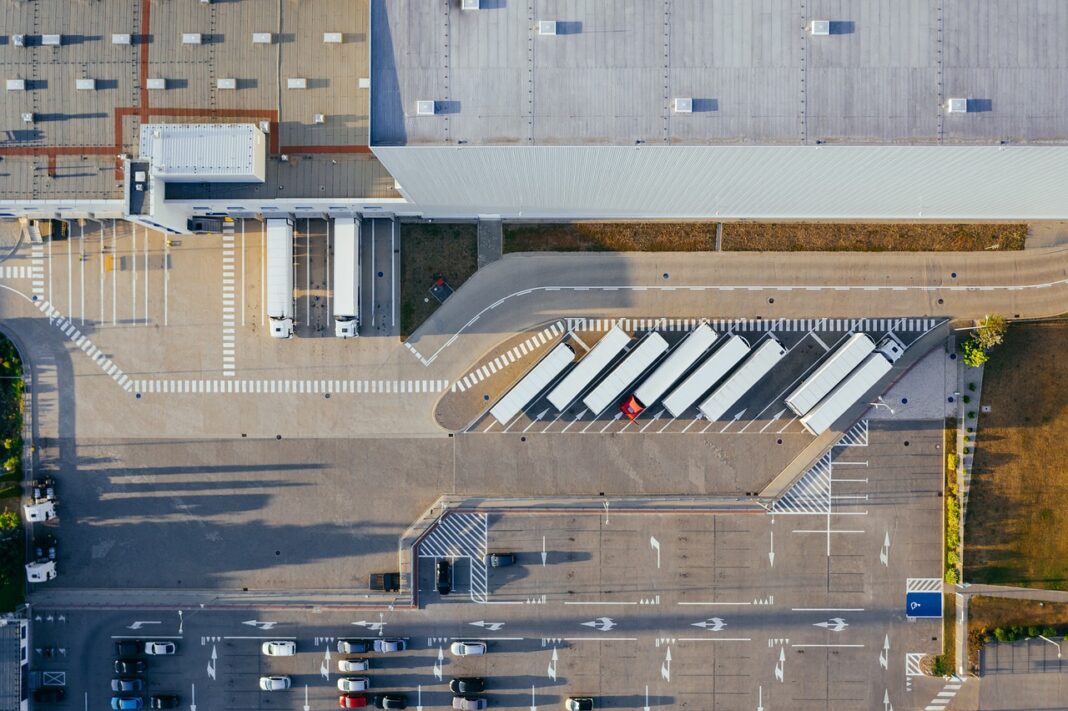


The Polish warehouse market is entering a clear phase of stabilization, where rapid growth is being replaced by greater investment selectivity and an increasing role of real demand. Across the largest regions – from Warsaw, Upper Silesia and Wrocław to Central Poland and Poznań – common trends are emerging: a dominance of lease renegotiations, more cautious developer decisions, and the growing importance of available ready-to-occupy space. At the same time, regional differences remain pronounced – from strong demand driven by urban logistics, through stable production-logistics markets, to locations temporarily facing higher availability. Technical and environmental standards are also gaining importance, becoming one of the key competitive factors in the market.
Market in numbers:
- 7.4 million sqm of existing space
- 640,000 sqm under construction
- €4.90 – €8.00 / sqm / month (urban locations)
- €3.20 – €6.95 / sqm / month (out-of-town locations)
Warsaw I – Urban Area
Ready-to-occupy space in focus
In Warsaw’s first zone, tenants were primarily seeking quick business start-ups, often within 2–3 months of signing a lease. Availability of units and efficient delivery of office space were key factors.
Last-mile logistics drives demand
Most transactions were concentrated in the 2,000–3,000 sqm range, although some projects reached 8,000–10,000 sqm. Demand was largely distribution- and city-oriented. Incentives such as rent-free periods and fit-out budgets for office and warehouse space played a major role in negotiations.
Employee-friendly locations as a key advantage
Tenants paid close attention to office quality and functionality, parking availability, and good connectivity to the city. Targówek and the Okęcie area remained among the most popular locations.
Green logistics gains importance
Sustainability is becoming increasingly relevant, with tenants more frequently including photovoltaic installations in lease negotiations. Environmental aspects are gaining priority, particularly in urban logistics projects.
Warsaw II – Outside the City
Lease renewals dominate demand structure
Lease renegotiations remained the main market activity. Demand for large modules was limited, as most tenants maintained their current scale or opted for only minor expansions.
Pressure on rents
Newly completed projects increased price competition with older, cheaper facilities. This resulted in pressure on effective rents and greater landlord flexibility in incentive packages, strengthening tenants’ negotiating position.
Cautious approach to new developments
Several new warehouse projects were delivered in 2025, though some were still in commercialization phases awaiting first lease agreements. Speculative development remained limited, with new investments approached cautiously.
“In 2025, the Warsaw warehouse market entered a phase of greater balance, transitioning from dynamic expansion to more selective growth. A more cautious developer approach and projects largely secured by demand contributed to improved supply balance. At the same time, a significant share of activity focused on immediately available space meeting tenants’ current needs.”
– Katarzyna Madej, Director, Industrial Agency
Upper Silesia
Market in numbers:
- 6.2 million sqm of existing space
- 200,000 sqm under construction
- €3.80 – €5.40 / sqm / month
Risk-aware tenants
Tenants showed greater caution, opting less frequently for relocations and more often renegotiating existing leases, focusing on cost optimization and operational efficiency. Expansions were more deliberate and tied to real business growth.
Market driven by logistics and production
Key locations such as Gliwice, Sosnowiec, and Ruda Śląska saw the highest activity. The region continues to attract companies combining logistics and manufacturing operations, including automotive sector players, confirming its diversified and resilient character.
ESG as a competitive advantage
Base rents remained stable, with moderate new supply not exerting significant downward pressure. However, technical quality and ESG factors—such as environmental certifications, photovoltaic systems, improved insulation, and energy-efficient lighting—are increasingly important for competitiveness.
“In 2025, the Upper Silesian warehouse market entered a stabilization phase after years of rapid growth. Supply and demand began to balance, and developer activity became more selective. Speculative development was reduced, with a focus on pre-let secured projects and BTS schemes tailored to tenants’ needs.”
– Łukasz Ciepły, Director, Industrial Agency
Wrocław
Market in numbers:
- 5.5 million sqm of existing space
- 130,000 sqm under construction
- €3.15 – €5.50 / sqm / month
Leader in new supply
In 2025, Wrocław was among the most active warehouse markets in Poland in terms of new supply, with over 300,000 sqm delivered, placing it among the top three regions in the country.
Growing role of production projects
Lower Silesia continues to attract investments from automotive, electronics, and component manufacturing sectors. A significant share of demand focused on facilities adaptable for light production or delivered in build-to-suit formats.
Stabilization after rapid growth
Following a dynamic expansion period (2021–2023), the market stabilized in 2024–2025. Developers approached speculative projects more cautiously, often launching them only after securing tenants.
Higher availability (vacancy rates of approx. 9–11%) gave tenants more time and flexibility in decision-making.
Rental stabilization
After previous increases, rents stabilized in 2025, typically ranging between €3.15 and €5.50 per sqm/month, depending on location, building standard, and lease length.
“The Wrocław agglomeration remains one of Poland’s key logistics and production hubs, benefiting from proximity to Germany and the Czech Republic and well-developed infrastructure. Despite stabilization, it continues to be one of the most attractive warehouse locations in the country.”
– Dorota Koseska, Director, Industrial Agency
Central Poland
Market in numbers:
- 5.3 million sqm of existing space
- 170,000 sqm under construction
- €3.50 – €4.60 / sqm / month
Fourth-largest warehouse market
At the end of 2025, Central Poland accounted for around 14% of the country’s total warehouse stock, remaining one of the largest logistics markets despite being overtaken by Lower Silesia.
Logistics-driven region
The region serves as a central distribution hub for Poland, with large logistics centers handling both domestic and international operations.
Rising demand for ESG solutions
Energy efficiency and sustainability are increasingly important, with tenants favoring facilities equipped with photovoltaic systems, energy-saving technologies, and environmental certifications such as BREEAM.
“Demand is increasingly focused on cross-dock (x-dock) warehouses enabling fast transshipment and reduced storage time, driven by urban logistics growth and rising expectations for faster delivery.”
– Katarzyna Burlińska, Senior Consultant, Industrial Agency
Poznań
Market in numbers:
- 4.0 million sqm of existing space
- 40,000 sqm under construction
- €3.65 – €6.00 / sqm / month
Rising vacancy and cautious market sentiment
2025 marked a slowdown for the Poznań warehouse market, with increased availability leading to higher vacancy rates and more cautious behavior from both developers and tenants. Speculative projects were limited, and investment activity slowed significantly.
Logistics and retail tenants dominate
Demand structure remained conservative, similar to other regions, with logistics and retail companies dominating and renegotiations prevailing over new leases.
Demand driven by lease extensions
Limited large-scale tenders and relatively high availability meant most transactions involved maintaining existing locations or leasing smaller units compared to major hubs like Warsaw or Central Poland.
“Despite competitive rental rates, Poznań did not attract many large relocations in 2025. However, the market remains highly responsive—single large inquiries can quickly revive activity, highlighting its underlying potential.”
– Katarzyna Madej, Director, Industrial Agency