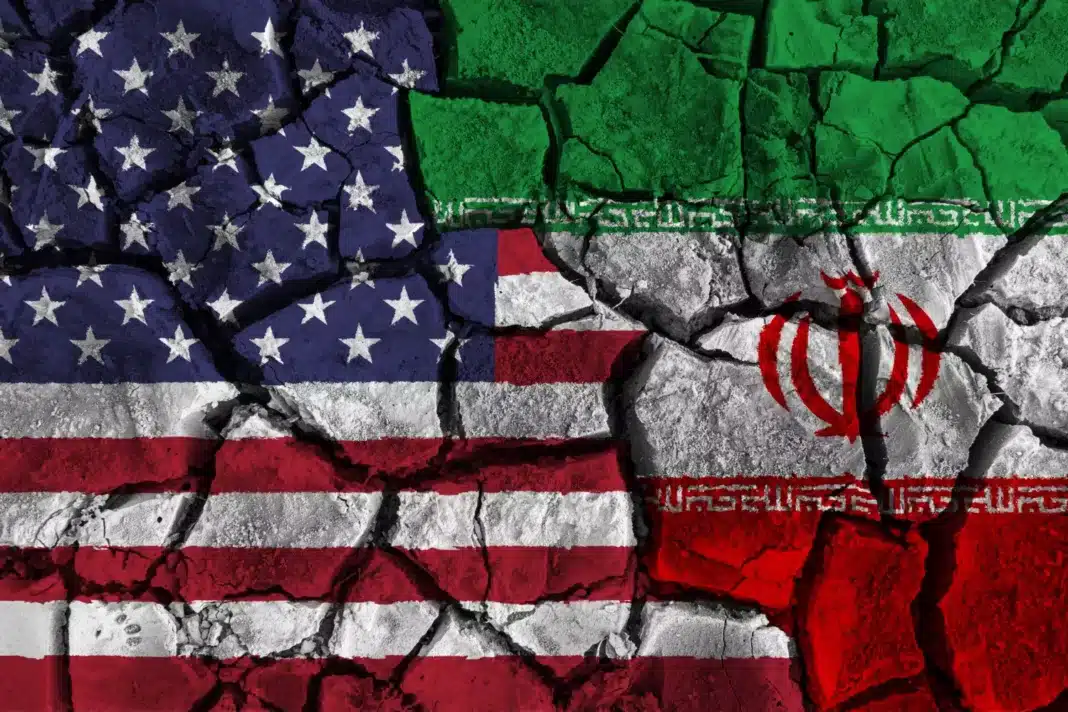



Alfred Hitchcock used to say that a film should begin with an earthquake, and then the tension should keep rising. The current situation between the United States and Iran shows just how much cinematic potential this conflict has. Yesterday, media reports suggested that Iranian authorities had ordered uranium to remain in the country, threatening the prospect of any agreement. President Donald Trump warned that the United States would ensure Iran does not obtain nuclear weapons, or would have to take “very drastic” steps. Shortly afterwards, reports emerged about the outline of a preliminary agreement between the two countries, which was then denied by the Iranian side. The US-Iran talks therefore show that room for diplomacy still exists, but the scale of unresolved disputes remains very large. Signals from Tehran suggest that Washington’s latest proposal may have partly narrowed the differences between the parties, but this does not yet amount to a real breakthrough. The key points of contention concern Iran’s nuclear programme, the future of enriched uranium, the security of shipping through the Strait of Hormuz, and the broader effort to end fighting in the region.
The positions of both sides remain far apart. The United States expects Iran to hand over its enriched uranium and suspend enrichment for at least a decade. For Tehran, these conditions are politically very difficult to accept, as confirmed by public statements from Iranian leaders. President Masoud Pezeshkian has declared that Iran will “never back down”, which limits negotiators’ room for manoeuvre and increases the risk that the talks will fail. Donald Trump, meanwhile, is maintaining pressure on Tehran, warning that the United States could resume attacks if Iran does not accept American conditions. Such rhetoric increases uncertainty, as diplomacy is taking place in parallel with the threat of further military escalation.
The dispute over the Strait of Hormuz is of particular importance. The idea of permanent fees for passage through this waterway is opposed by the United States, as it could increase the cost of transporting crude oil and create a dangerous precedent for global energy trade. Any tension around the Strait immediately affects the oil market, as reflected in sharp price swings. Brent crude gained more than 4% at yesterday’s peak, but ended the day down 2.32%, falling below USD 102.60 per barrel. Today it is again above USD 105 and up 2.29%, showing that investors are reacting both to the threat of escalation and to even limited signals of diplomatic progress.
Economic risks remain high because oil prices feed into higher energy costs, inflationary pressure and weaker sentiment in financial markets. Declining global inventories of crude oil and petroleum products are an additional source of uncertainty. This means the global commodities market has a smaller safety buffer in the event of a sudden supply crisis.
Israel also plays an important role in this wider equation and remains sceptical about any potential agreement with Iran. Israeli authorities suggest that Tehran cannot be trusted and that its military capabilities should be weakened further. Such a stance may make it more difficult to stabilise the situation, especially if Israel concludes that diplomacy does not provide sufficient security guarantees and decides to take further military action.
The current stage of talks should therefore be assessed with caution. On the one hand, there are signs that dialogue has not broken down and that the US proposal has to some extent narrowed the gap between the parties. On the other hand, the most important issues remain unresolved, while public declarations by leaders limit the scope for compromise. As long as the United States and Iran do not move closer on the nuclear programme, and tensions around the Strait of Hormuz and Israel remain high, markets will continue to operate in an environment of elevated uncertainty. The greatest economic threat remains a rise in oil prices, which could once again strengthen inflation and increase pressure on central banks and energy-importing economies.