
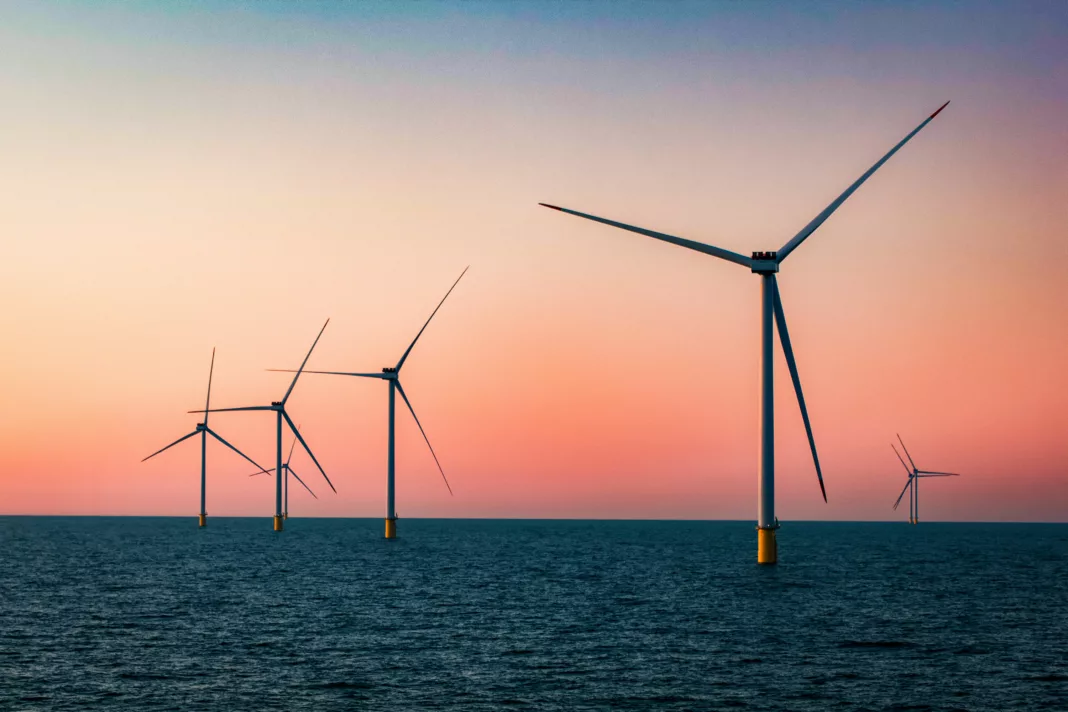



Electricity generated by the first turbines at the Baltic Power offshore wind farm has been delivered to Poland’s national power grid. Reaching the milestone known as First Power marks the beginning of the gradual commissioning of Poland’s first offshore wind power plant in the Baltic Sea. So far, 54 of the planned 76 turbines have been installed, while completion of the wind farm is scheduled for autumn 2026.
The first electricity was fed into the grid after the first turbine was commissioned and testing began. In the coming weeks, additional units are expected to undergo commissioning procedures, allowing the wind farm’s capacity to increase steadily until it reaches its target level of approximately 1.2 GW.
Baltic Power is the first offshore wind farm being built in Polish waters of the Baltic Sea. The project is being jointly developed by ORLEN and the Canadian company Northland Power.
ORLEN: This Is the Energy of Tomorrow
According to ORLEN CEO Ireneusz Fąfara, the start of electricity generation demonstrates the pace at which one of the largest investments in the history of Poland’s energy sector is being implemented.
“ORLEN is carrying out the largest investment programme in the history of Poland’s energy sector. We will spend up to PLN 380 billion on it in total. Once again, we are demonstrating the tangible results of our work. Offshore construction began at the start of 2025, and today the first electricity has already reached the grid. This is the energy of tomorrow,” said Ireneusz Fąfara, CEO of ORLEN.
He emphasised that the investment is intended not only to supply electricity and strengthen Poland’s energy security, but also to contribute to the development of a new sector of the Polish economy.
“Baltic Power is an investment that will operate for decades. It will not only provide energy and enhance security, but also support the development of a new sector of the Polish economy. At the same time, we are developing a domestic supply chain and expertise that will remain in Poland long after the construction of this wind farm has been completed,” the ORLEN CEO added.
Gradual Commissioning of the Wind Farm Begins
Reaching the First Power milestone means that the first turbine has been commissioned, tested and has begun generating electricity for delivery to the national power system.
However, this does not mean that work on the entire wind farm has been completed. Further turbines will be commissioned gradually and then subjected to technical and performance testing. Electricity generated by units operating correctly will be transmitted to the grid during this process.
At the same time, the entire transmission and control infrastructure is being tested. The tests cover the turbines, offshore substations, inter-array and export cables, the onshore substation and the systems responsible for controlling the wind farm’s operation.
This is the first operation of its kind to be carried out within the Polish power system.
Baltic Power Construction More Than 80% Complete
The Baltic Power installation campaign is now more than 80% complete. A total of 54 of the planned 76 turbines have already been installed at sea.
The installation of all inter-array cables connecting the individual turbines, as well as the export cables used to transmit electricity to shore, has also been completed. Their combined length is approximately 350 kilometres.
Both offshore substations are also complete. Their role is to receive the electricity generated by the turbines, adjust its electrical parameters and transmit it through subsea cables to the onshore infrastructure.
Construction of the onshore infrastructure has also been completed, including the substation located in the Choczewo municipality. From there, the electricity will be delivered to Poland’s national transmission grid.
Several dozen specialist vessels are currently operating in the project area. They are being used for the installation, testing, inspection and acceptance of successive wind farm components.
More Than 100 Vessels and 5,300 People Involved
More than 100 vessels and over 5,300 crew members and contractors have so far been involved in the project. Construction requires the coordination of installation work being conducted simultaneously offshore, onshore and at the ports supporting the investment.
The Baltic Power operations and maintenance base in Łeba has been operating since 2025. It currently supports the construction process and, once the wind farm becomes operational, will serve as the main centre for its technical maintenance.
The base is expected to operate for approximately 30 years, corresponding to the planned service life of the power plant. Vessels carrying technicians responsible for turbine inspections, maintenance and repairs, as well as work on the remaining infrastructure, will depart from Łeba.
The base also houses a Marine Coordination Centre. It manages vessel traffic within the project area and coordinates offshore operations.
76 Turbines With a Capacity of 15 MW Each
Once completed, Baltic Power will comprise 76 wind turbines, each with a capacity of 15 MW. The wind farm’s total capacity will be approximately 1.2 GW.
The power plant is expected to generate up to 4 TWh of electricity annually. This corresponds to approximately 3% of Poland’s current electricity demand and the annual energy consumption of more than 1.5 million households.
Baltic Power covers an area of approximately 130 square kilometres. The wind farm is located around 23 kilometres offshore, near Choczewo and Łeba.
The project uses some of the largest offshore wind turbines currently available. Some of their key components were manufactured in Poland. These include nacelles, the structures located at the top of the towers that contain the main equipment used to convert wind energy into electricity.
Electricity Generation to Reduce CO₂ Emissions
According to project estimates, electricity generated by Baltic Power will reduce carbon dioxide emissions by up to 2.8 million tonnes annually compared with producing the same amount of electricity from conventional sources.
The wind farm is also expected to increase the share of renewable energy in Poland’s national energy mix and reduce the country’s dependence on fossil fuels.
However, the significance of the investment extends beyond electricity generation. The development of Baltic Power has required the expansion of specialist port infrastructure, technical facilities and expertise related to the construction and operation of offshore wind farms.
The experience gained during construction may be used in the development of future offshore projects in the Polish Baltic Sea.
Further Testing and Administrative Procedures Ahead
Alongside the commissioning of additional turbines, Baltic Power’s infrastructure will undergo inspections and performance testing. These procedures will include checks of the parameters of the electricity generated, the correct interaction between individual systems and the safety of the entire installation.
The project must also obtain the required occupancy permits and complete a certification process conducted by an independent auditor. Due to the pioneering nature of the investment, these will be the first administrative procedures of their kind carried out in Poland.
Once construction and acceptance procedures have been completed, the final stage will be obtaining an electricity generation licence from the Energy Regulatory Office.
Construction of Baltic Power is scheduled for completion in autumn 2026. Until then, additional turbines will be commissioned gradually, while the amount of electricity supplied to the national grid will continue to increase.