

Knight Frank has published the 20th anniversary edition of The Wealth Report. The report includes the Prime International Residential Index, known as PIRI 100, which analyses price changes in luxury residential property across 100 of the world’s most important markets.
The growing number of ultra-wealthy individuals and the increasing mobility of capital mean that luxury real estate remains one of the most resilient asset classes in the world.
According to the latest data, luxury residential property prices increased by an average of 3.2% in 2025, outperforming the broader housing market for the second consecutive year.
Key Findings from the Report
Luxury property prices increased in 73 of the 100 markets analysed.
Tokyo was the fastest-growing market in the world, with prices of new luxury apartments rising by 58.5%.
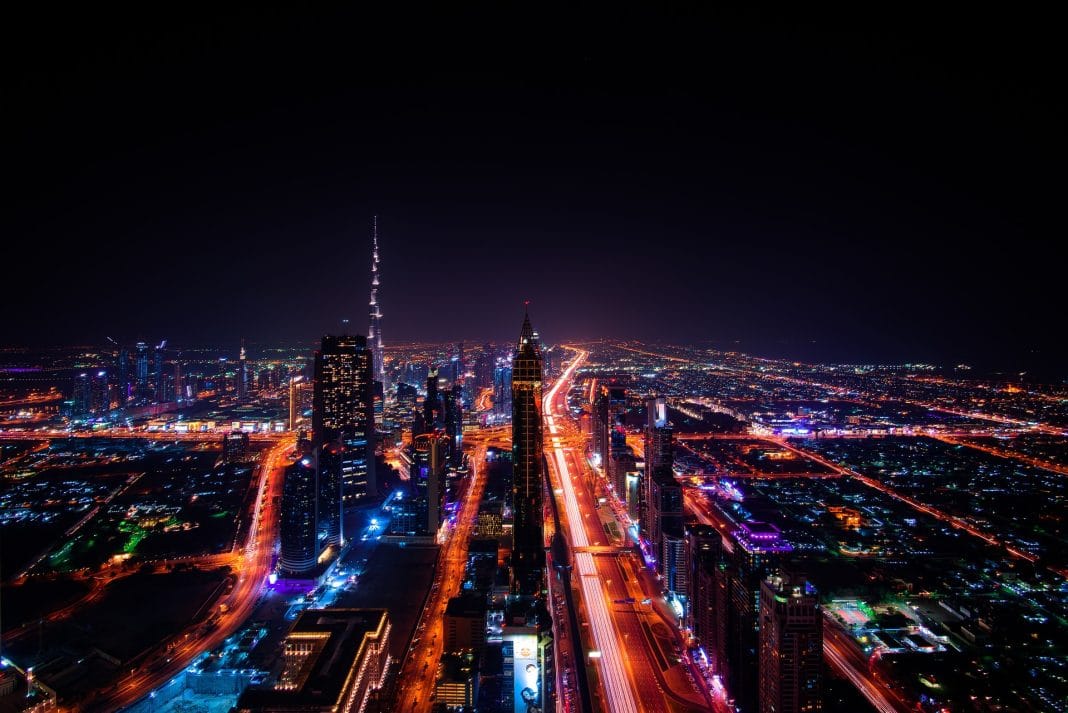
Dubai recorded growth of 25.1%, maintaining its position as the most active market for properties valued at more than USD 10 million. In 2025, 500 transactions were completed there in the super-prime segment.
The Middle East delivered the strongest regional performance, with prices rising by 9.4%. Growth was also recorded in Latin America and the Caribbean, up 4.7%, Asia-Pacific, up 3.6%, and Europe, up 3.3%.
North America was the only region to record a decline in prices, down 0.9%, mainly due to a correction in the Canadian market.
Limited supply of move-in-ready properties continues to support higher prices for the best-prepared assets.
The increasing mobility of the wealthiest investors is changing purchasing patterns. The number of ultra-high-net-worth individuals, known as UHNWIs, who spend less than 90 days a year in their traditional locations is growing. This is driving demand for luxury rental properties.
Among the markets with the greatest growth potential, the report highlights Mumbai, Brisbane, Miami and Hong Kong.
Luxury Real Estate Is Becoming More Resilient to Economic Turbulence
As Liam Bailey, editor of The Wealth Report, emphasises:
“In many markets, the luxury property segment has clearly separated from the broader housing market, benefiting from the dynamic growth of global wealth. While the mass market remains more vulnerable to economic pressure, the pace of growth in the number of wealthy individuals helps maintain stable demand for premium real estate, even despite volatility in financing costs.”
The expert also draws attention to the growing mobility of the wealthiest investors:
“Ultra-wealthy individuals are increasingly organising their lives across several countries, while family offices actively manage tax, political and lifestyle-related risks. As a result, traditional global centres such as London are increasingly being used periodically — for business, cultural opportunities or relationship-building — rather than as permanent places of residence.”
How Much Luxury Property Can USD 1 Million Buy?
Over the past five years, the purchasing power of investors in the premium property market has changed significantly. In some cities, USD 1 million now buys much less space than it did in 2020, illustrating the scale of price growth in the luxury segment.
| City | Space for USD 1 million, Q4 2020 | Space for USD 1 million, Q4 2025 |
|---|---|---|
| Monaco | 17.3 sq m | 16.0 sq m |
| Hong Kong | 22.6 sq m | 22.5 sq m |
| Geneva | 37.2 sq m | 27.9 sq m |
| Singapore | 36.2 sq m | 28.1 sq m |
| London | 30.7 sq m | 32.9 sq m |
| New York | 34.9 sq m | 33.9 sq m |
| Los Angeles | 50.4 sq m | 36.4 sq m |
| Tokyo | 62.4 sq m | 36.6 sq m |
| Paris | 41.9 sq m | 37.1 sq m |
| Vienna | 41.0 sq m | 39.0 sq m |
| Sydney | 44.2 sq m | 42.1 sq m |
| Shanghai | 49.8 sq m | 44.4 sq m |
| Milan | 59.9 sq m | 45.8 sq m |
| Miami | 97.0 sq m | 58.1 sq m |
| Berlin | 66.4 sq m | 58.8 sq m |
| Dubai | 182.8 sq m | 62.2 sq m |
| Madrid | 93.1 sq m | 75.1 sq m |
| Lisbon | 92.5 sq m | 79.4 sq m |
| Melbourne | 79.4 sq m | 82.6 sq m |
| Mumbai | 104.9 sq m | 95.5 sq m |
Source: Knight Frank, Prime International Residential Index, PIRI 100, Q4 2025
The most spectacular change concerns Dubai, where USD 1 million now buys almost three times less space than five years ago. Strong price increases are also visible in Tokyo, Miami and Geneva.
At the same time, markets such as London and Melbourne remain relatively more stable in terms of investors’ purchasing power.